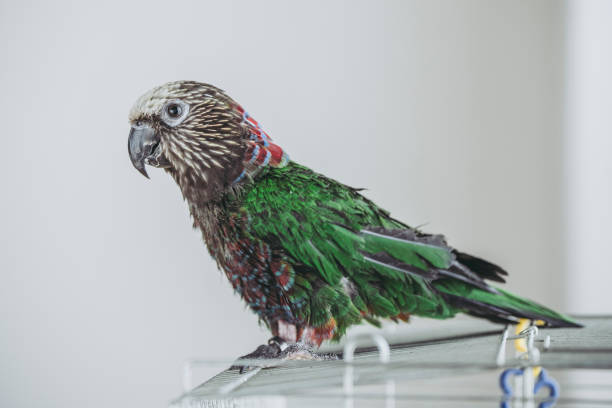
Baby Red-Fan Parrot
Artenbeschreibung
The Hawk-Headed (Red-Fan) Parrot (Parrot) is an extraordinary companion bird celebrated for its distinctive personality, intelligence, and beauty. Adult specimens reach 33 cm to 36 cm length, 200-280g weight and can live 30 to 40+ years in captivity with proper avicultural care. They require a spacious enclosure measuring at least Minimum 90 cm W x 70 cm D x 120 cm H with 1.9 cm bar spacing, a balanced diet comprising 65% organic pellets, 25% fresh tropical fruit and vegetables, 10% tree nuts, and daily social interaction.
Herkunft & Natürlicher Lebensraum
In ihrer natürlichen Heimat bewohnen diese Vögel tropische Wälder und Baumsavannen. Sie leben in festen Sozialverbänden und legen weite Strecken bei der täglichen Nahrungssuche zurück.
Größe, Körperbau & Lebenserwartung
Ausgewachsene Tiere erreichen 33 cm to 36 cm length, 200-280g weight. Die Lebenserwartung liegt bei 30 to 40+ years in captivity bei artgerechter Haltung und Pflege.
Wesen, Lautstärke & Verhalten
Verhalten und Lautstärke: Moderate volume with unique whistling trills; dramatic threat display with raised neck fan. Die Vögel benötigen engen Familienanschluss und geistige Beschäftigung.
Artgerechtes Gehege & Gittermaße
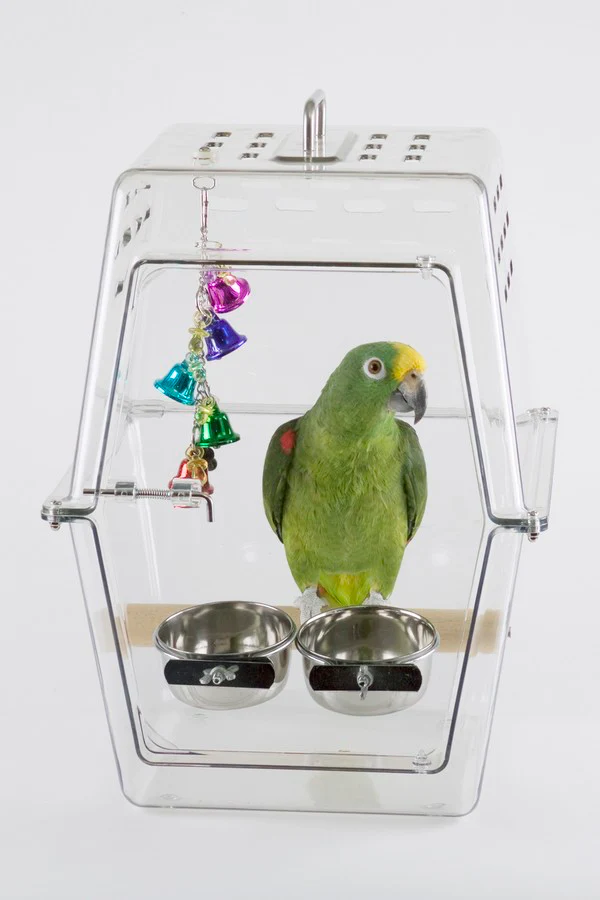
Empfohlene Gehegemaße: Minimum 90 cm W x 70 cm D x 120 cm H with 1.9 cm bar spacing. Naturäste mit Rinde und schadstofffreie Metalle sind Grundvoraussetzung für gesunde Füße.
Ernährung & Giftige Lebensmittel
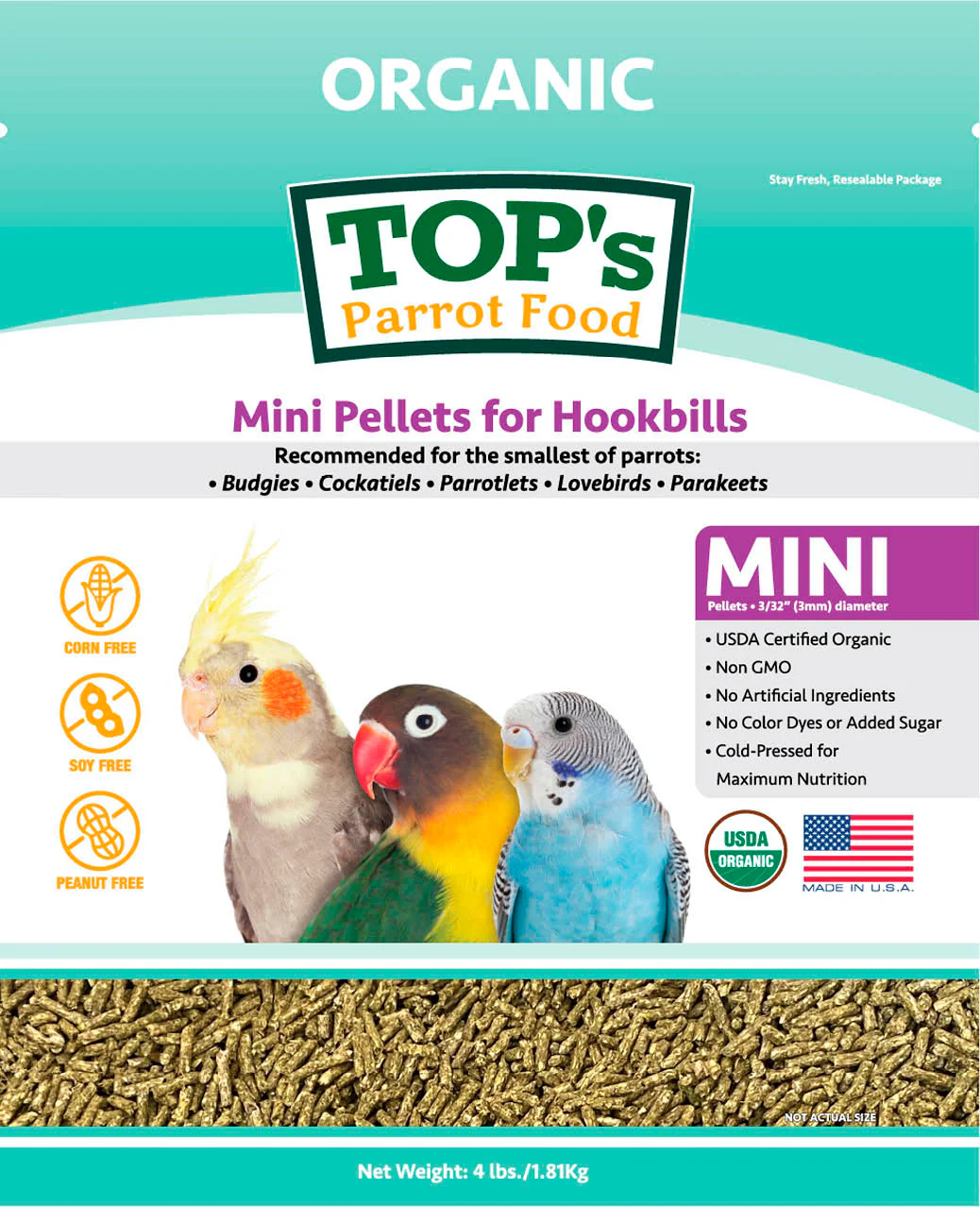
Empfohlene Fütterung: 65% organic pellets, 25% fresh tropical fruit and vegetables, 10% tree nuts. Absolut tabu sind Avocado, Schokolade, Alkohol, Kakaoprodukte und Obstkerne.
Gesundheit & Früherkennung von Krankheiten
Achten Sie auf Krankheitsanzeichen wie aufgeplustertes Gefieder, Teilnahmslosigkeit oder veränderten Kot und suchen Sie rechtzeitig einen Fachtierarzt auf.
Täglicher Freiflug & Beschäftigung
Täglich mindestens 2-3 Stunden Freiflug sowie abwechslungsreiches Schredder- und Futtersuchspielzeug halten den Vogel fit und ausgeglichen.
Soziale Bindung, Vertrauen & Lebenslange Partnerschaft
Der Aufbau einer engen Vertrauensbeziehung zu einem Papagei erfordert Geduld, positives Belohnungstraining und das genaue Verstehen der Körpersprache des Vogels. Bestrafungen oder Zwang zerstören das Vertrauen dauerhaft. Tägliche gemeinsame Beschäftigung, sanftes Klickertraining und ruhige Ansprache stärken die Bindung und sorgen für ein harmonisches Zusammenleben über viele Jahrzehnte.
Training & Beschäftigung
Red-fans are intelligent and trainable, but the priority with this species is reading the bird rather than teaching it tricks. Learn the ruff, the eye pinning and the body posture, and stop an interaction before escalation rather than after. Positive reinforcement only; a Red-fan that has been forced becomes reactive and stays that way. Target and station training are useful precisely because they allow you to move the bird without hands during high-arousal moments.
Gesundheitshinweise
Health concerns are those of any Amazonian psittacine: psittacine beak and feather disease, proventricular dilatation disease (avian bornavirus), aspergillosis, and diet-related obesity or hypovitaminosis A. Because the species is uncommon in captivity, identify an avian veterinarian with psittacine experience before you acquire a bird rather than after. Under-stimulated Red-fans develop feather-destructive behaviour quickly. Quarantine any new bird for 30-45 days in a separate airspace with screening, weigh weekly on a gram scale, and book an annual avian examination.
Häufig Gestellte Fragen
Bei artgerechter Ernährung und Pflege erreichen sie 30 to 40+ years in captivity.
Das Gehege sollte mindestens Minimum 90 cm W x 70 cm D x 120 cm H with 1.9 cm bar spacing groß sein.
Die Fütterung sollte 65% organic pellets, 25% fresh tropical fruit and vegetables, 10% tree nuts umfassen.
Für engagierte Halter, die bereit sind, täglich Zeit für Zuwendung und Freiflug aufzubringen, sind sie wunderbare Begleiter.
Mindestens 2 bis 3 Stunden täglicher beaufsichtigter Freiflug im gesicherten Zimmer werden empfohlen.