Crimson Rosella
Artenbeschreibung
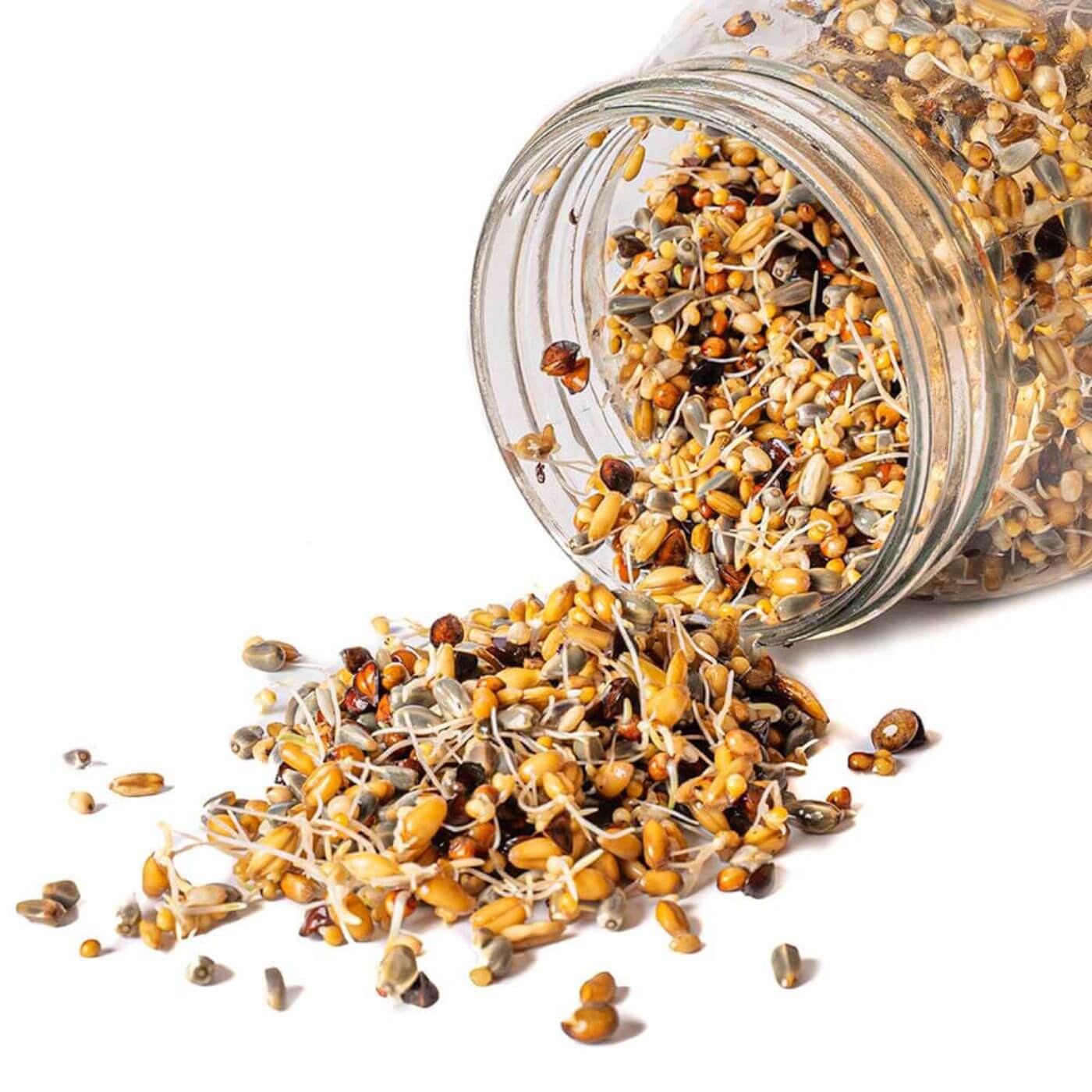
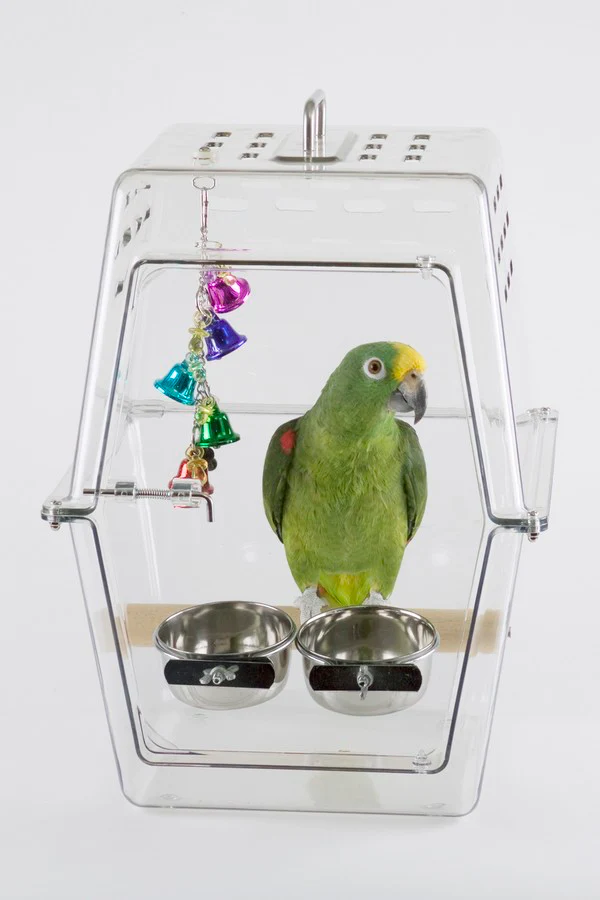
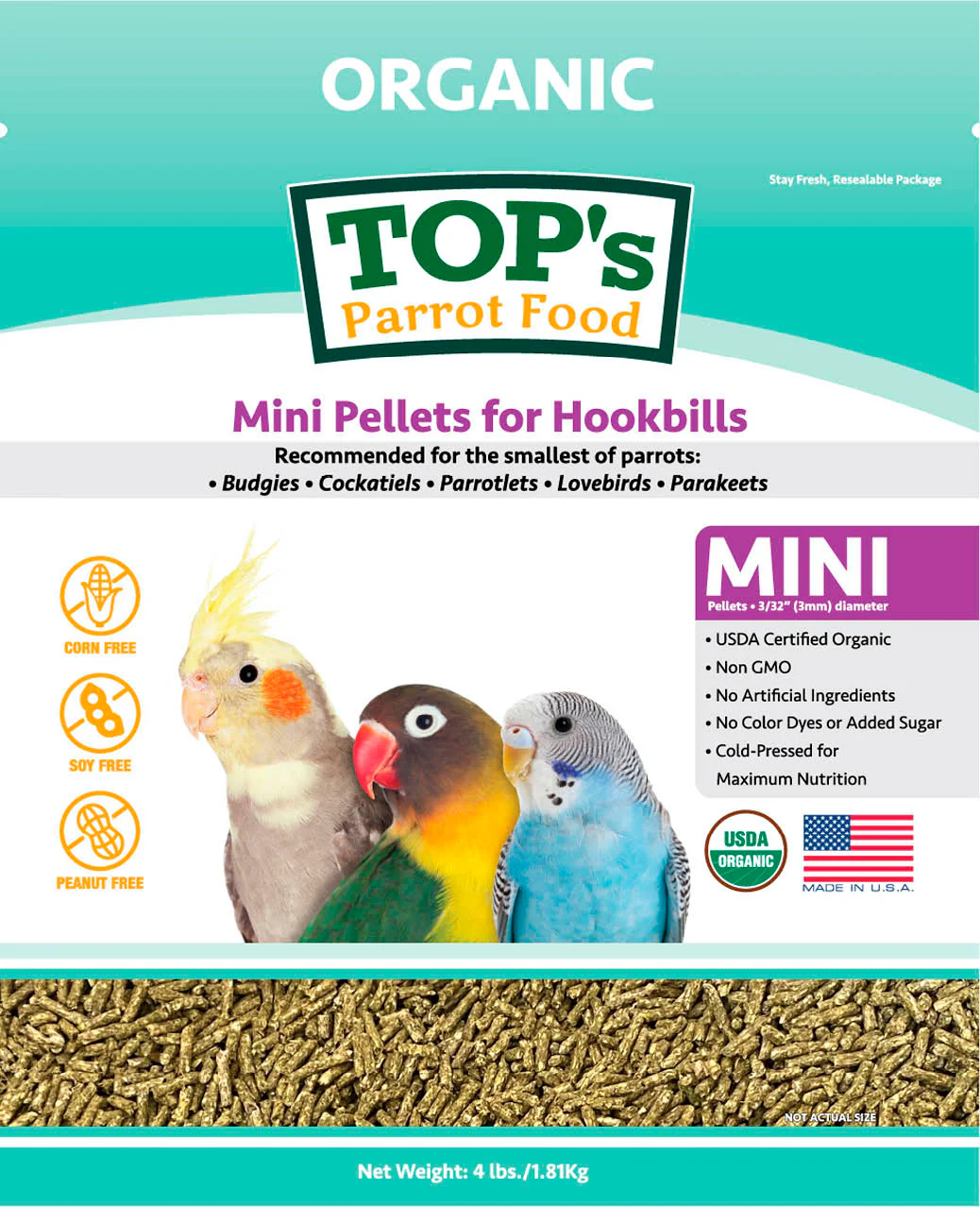
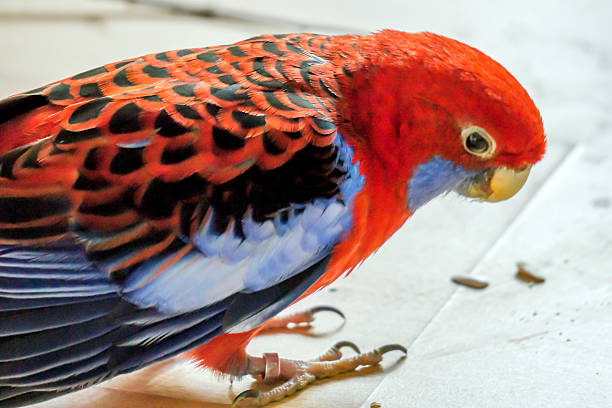
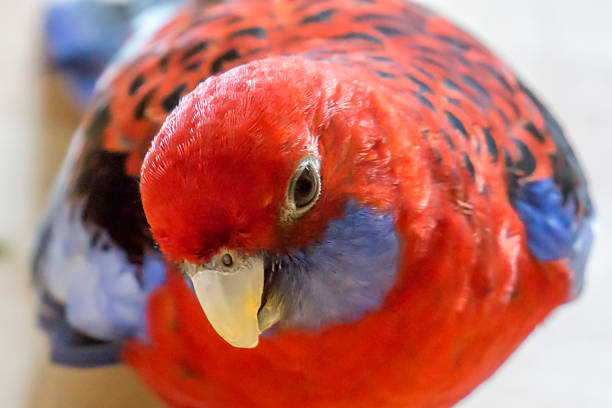
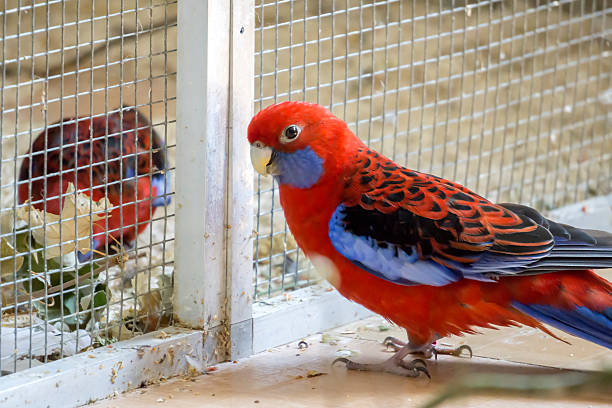
The Crimson Rosella (Rosella) is an extraordinary companion bird celebrated for its distinctive personality, intelligence, and beauty. Adult specimens reach 35 cm to 38 cm length, 120-150g weight and can live 20 to 25+ years in captivity with proper avicultural care. They require a spacious enclosure measuring at least Minimum 100 cm W x 60 cm D x 100 cm H horizontal flight cage with 1.3-1.6 cm bar spacing, a balanced diet comprising 65% fine pellets, 25% fresh vegetables/grass seeds, 10% sprouted seeds, and daily social interaction.
Herkunft & Natürlicher Lebensraum
In ihrer natürlichen Heimat bewohnen diese Vögel tropische Wälder und Baumsavannen. Sie leben in festen Sozialverbänden und legen weite Strecken bei der täglichen Nahrungssuche zurück.
Größe, Körperbau & Lebenserwartung
Ausgewachsene Tiere erreichen 35 cm to 38 cm length, 120-150g weight. Die Lebenserwartung liegt bei 20 to 25+ years in captivity bei artgerechter Haltung und Pflege.
Wesen, Lautstärke & Verhalten
Verhalten und Lautstärke: Pleasant bell-like whistling calls; hands-off aviary bird that prefers flying over handling. Die Vögel benötigen engen Familienanschluss und geistige Beschäftigung.
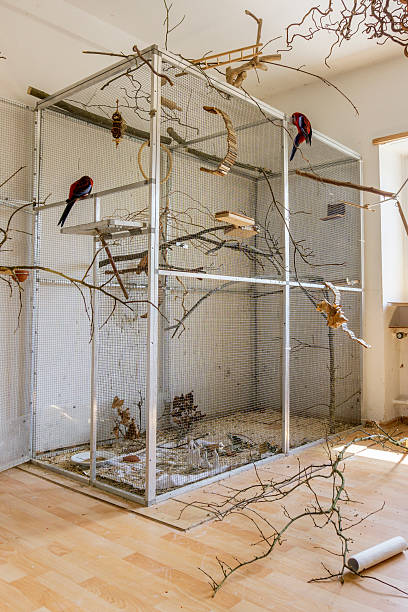
Artgerechtes Gehege & Gittermaße
Empfohlene Gehegemaße: Minimum 100 cm W x 60 cm D x 100 cm H horizontal flight cage with 1.3-1.6 cm bar spacing. Naturäste mit Rinde und schadstofffreie Metalle sind Grundvoraussetzung für gesunde Füße.
Ernährung & Giftige Lebensmittel
Empfohlene Fütterung: 65% fine pellets, 25% fresh vegetables/grass seeds, 10% sprouted seeds. Absolut tabu sind Avocado, Schokolade, Alkohol, Kakaoprodukte und Obstkerne.
Gesundheit & Früherkennung von Krankheiten
Achten Sie auf Krankheitsanzeichen wie aufgeplustertes Gefieder, Teilnahmslosigkeit oder veränderten Kot und suchen Sie rechtzeitig einen Fachtierarzt auf.
Täglicher Freiflug & Beschäftigung
Täglich mindestens 2-3 Stunden Freiflug sowie abwechslungsreiches Schredder- und Futtersuchspielzeug halten den Vogel fit und ausgeglichen.
Soziale Bindung, Vertrauen & Lebenslange Partnerschaft
Der Aufbau einer engen Vertrauensbeziehung zu einem Papagei erfordert Geduld, positives Belohnungstraining und das genaue Verstehen der Körpersprache des Vogels. Bestrafungen oder Zwang zerstören das Vertrauen dauerhaft. Tägliche gemeinsame Beschäftigung, sanftes Klickertraining und ruhige Ansprache stärken die Bindung und sorgen für ein harmonisches Zusammenleben über viele Jahrzehnte.
Training & Beschäftigung
Rosellas can be trained with positive reinforcement to step up, target and take food from the hand, and hand-reared birds tolerate handling well. What they will not do is seek physical affection - rosellas do not preen a flock-mate the way a cockatiel or conure does, and they generally become less tolerant of handling with age rather than more. Train for practical cooperation - crate entry, scale-stepping, station - rather than for cuddliness.
Gesundheitshinweise
The dominant health risk in aviary rosellas is intestinal parasitism, especially roundworm, because they forage on the ground and re-ingest eggs from the aviary floor. Routine faecal screening and a worming schedule set by an avian vet are part of normal care in a way they are not for a cage-kept parrot. Psittacosis (Chlamydia psittaci), which is transmissible to humans, also occurs. Hens are prone to reproductive problems including egg binding where calcium is inadequate. Quarantine new birds for 30-45 days in a separate airspace.
Häufig Gestellte Fragen
Bei artgerechter Ernährung und Pflege erreichen sie 20 to 25+ years in captivity.
Das Gehege sollte mindestens Minimum 100 cm W x 60 cm D x 100 cm H horizontal flight cage with 1.3-1.6 cm bar spacing groß sein.
Die Fütterung sollte 65% fine pellets, 25% fresh vegetables/grass seeds, 10% sprouted seeds umfassen.
Für engagierte Halter, die bereit sind, täglich Zeit für Zuwendung und Freiflug aufzubringen, sind sie wunderbare Begleiter.
Mindestens 2 bis 3 Stunden täglicher beaufsichtigter Freiflug im gesicherten Zimmer werden empfohlen.