Essential Pet Bird Supplies: What Every Companion Bird Needs
Caring for companion psittacines and aviary birds requires a meticulously curated environment tailored to species-specific physical and cognitive requirements. From budgerigars and cockatiels to African Greys, Amazons, and macaws, selecting appropriate supplies directly impacts longevity, feather condition, and behavioural health. Commercial pet stores frequently stock generic accessories that fail basic safety, metal toxicity, and nutritional benchmarks.
At PickIN Parrots, every supply category is curated against rigorous avicultural standards: non-toxic finishes free from heavy metals, formulated extruded diets that prevent malnutrition, and foraging enrichment designed to combat captive boredom. Below is our comprehensive guide to selecting aviary gear that supports your bird across its entire lifespan.
1. Housing, Aviaries, and Safe Enclosure Metals
An enclosure must provide adequate spatial volume for complete horizontal wing extension and flight flapping without flight feathers or tail rectrices striking the bars. Bar spacing is a critical safety specification: excessive spacing creates fatal head-entrapment risks, while overly narrow spacing can snare toes and impede climbing.
- Small Species (Budgies, Cockatiels): Bar spacing 1.2 to 1.6 cm; minimum enclosure 60 x 50 x 80 cm.
- Medium Species (African Greys, Amazons, Eclectus): Bar spacing 1.9 to 2.5 cm; minimum enclosure 90 x 70 x 120 cm.
- Large Macaws and Cockatoos: Bar spacing 2.5 to 3.8 cm with minimum 5mm wire gauge; minimum enclosure 120 x 90 x 160 cm.
- Metal Safety: Exclusively grade 304/316 stainless steel or certified non-toxic powder coating. Avoid galvanised wire completely!
2. Formulated Pellets, Seeds, and Dietary Supplements
Nutritional deficiencies from seed-only diets remain the single leading cause of preventable avian disease. Formulated pellets provide homogenous nutrient delivery, eliminating selective feeding. A healthy daily ration consists of 60-70% high-grade pellets, 20-25% fresh vegetables, sprouted seeds, and dark leafy greens, with whole nuts reserved for foraging and positive reinforcement training.
3. Environmental Enrichment & Cognitive Foraging Toys
Wild parrots devote over half their waking hours to foraging, navigating complex canopy ecosystems to extract seeds and fruits. Offering food in an open dish removes this primary behavioural drive. Foraging puzzles constructed from sustainable palm leaf, untreated hardwood, abaca fiber, and vegetable-tanned leather simulate natural foraging, substantially reducing stereotypical behaviours and stress.
4. Aviary Hygiene, Grooming, and First Aid Preparedness
Feather maintenance requires daily misting or access to shallow ceramic baths, ensuring down feathers remain clean and skin adequately hydrated. Avian first-aid supplies—specifically styptic powder for torn blood feathers or over-clipped nails, electrolyte hydration solutions, and secure travel carriers—are essential safeguards for every bird guardian.
Featured Pet Bird Supplies & Equipment
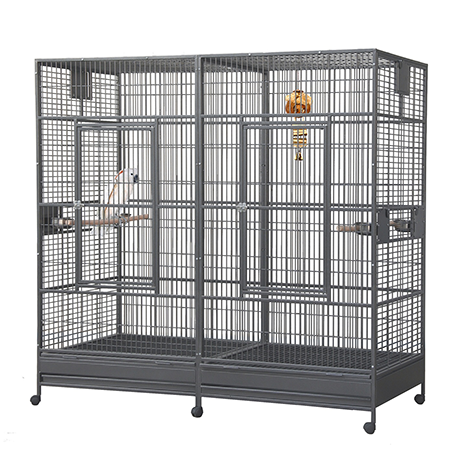
Premium Large Macaw Cage
The Heavy-Duty Aviary Enclosure for Large Macaws is engineered specifically to a...
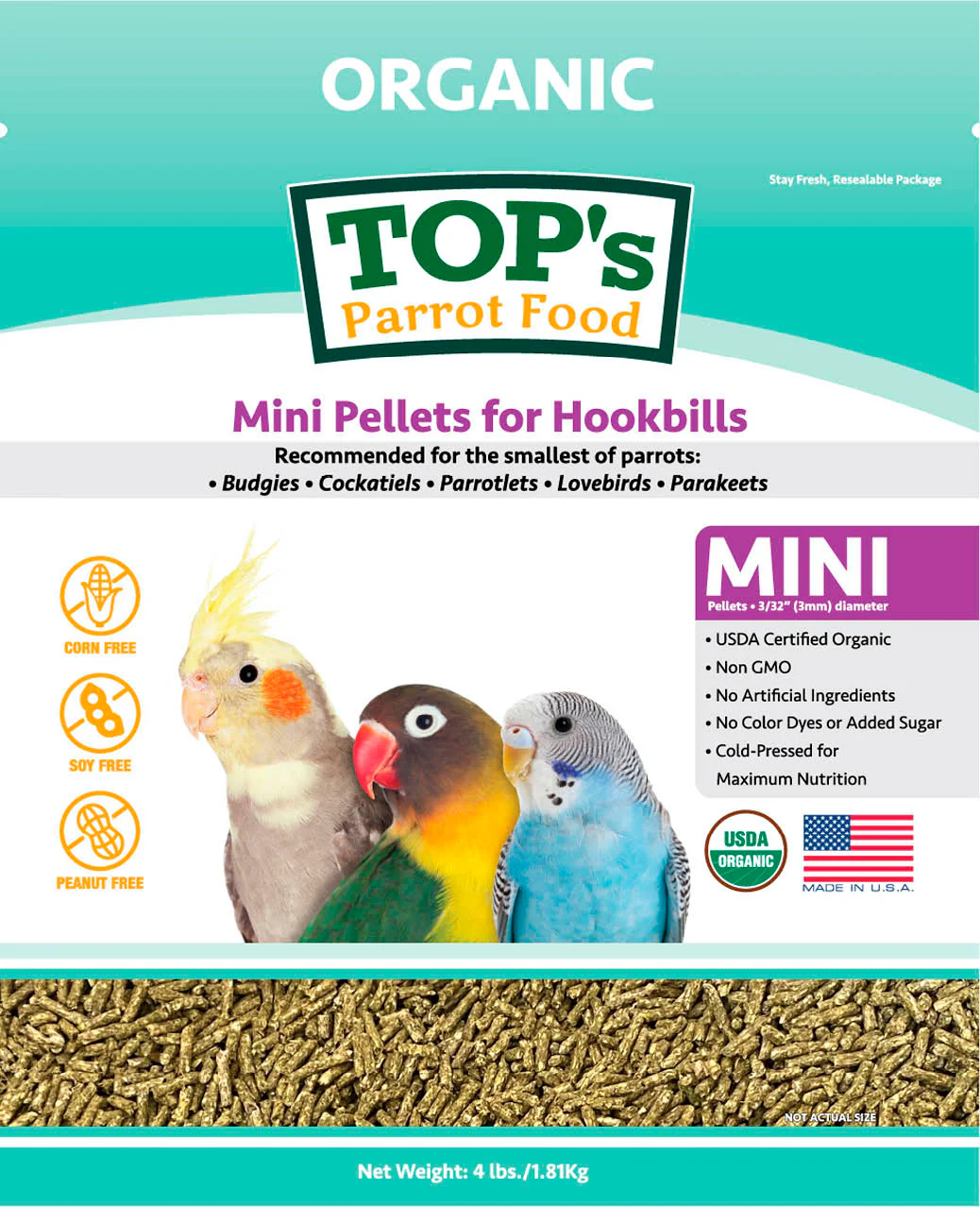
Organic Parrot Pellets
Our Certified Organic Extruded Parrot Pellets deliver complete, veterinarian-for...
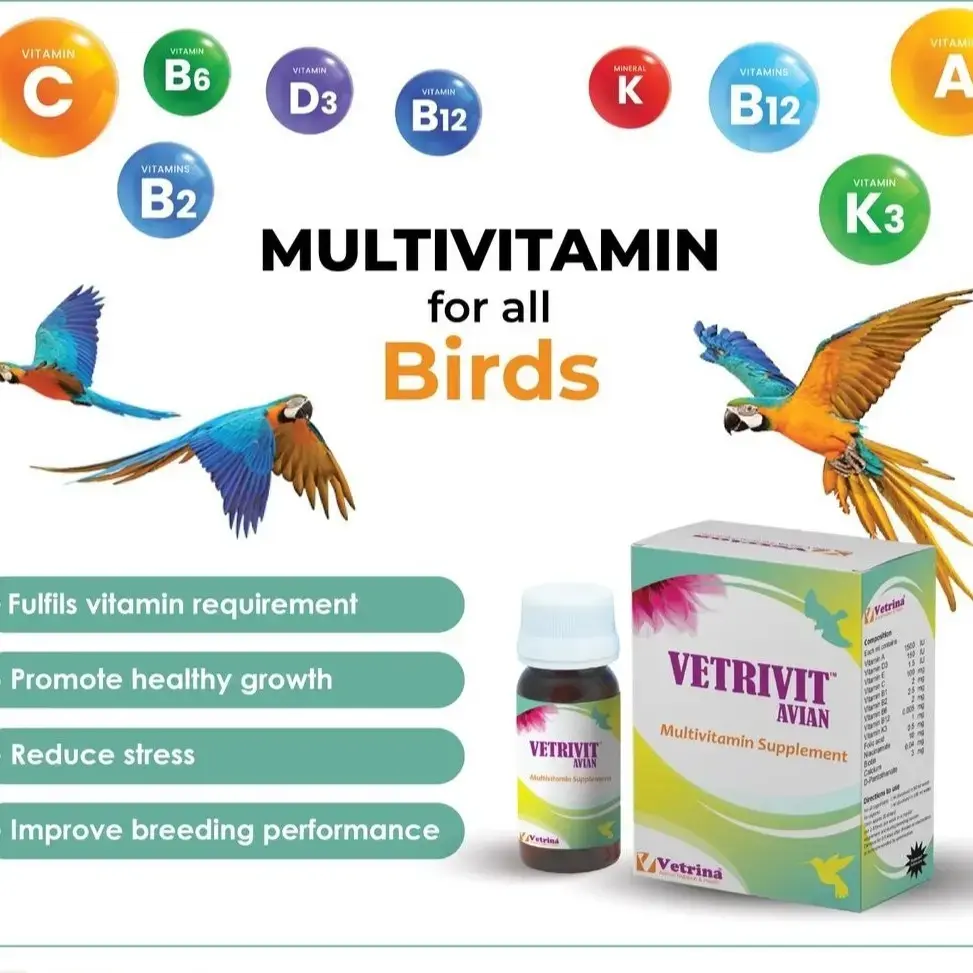
Avian Multivitamin
Our Comprehensive Water-Soluble Avian Multivitamin & Mineral Powder delivers bal...
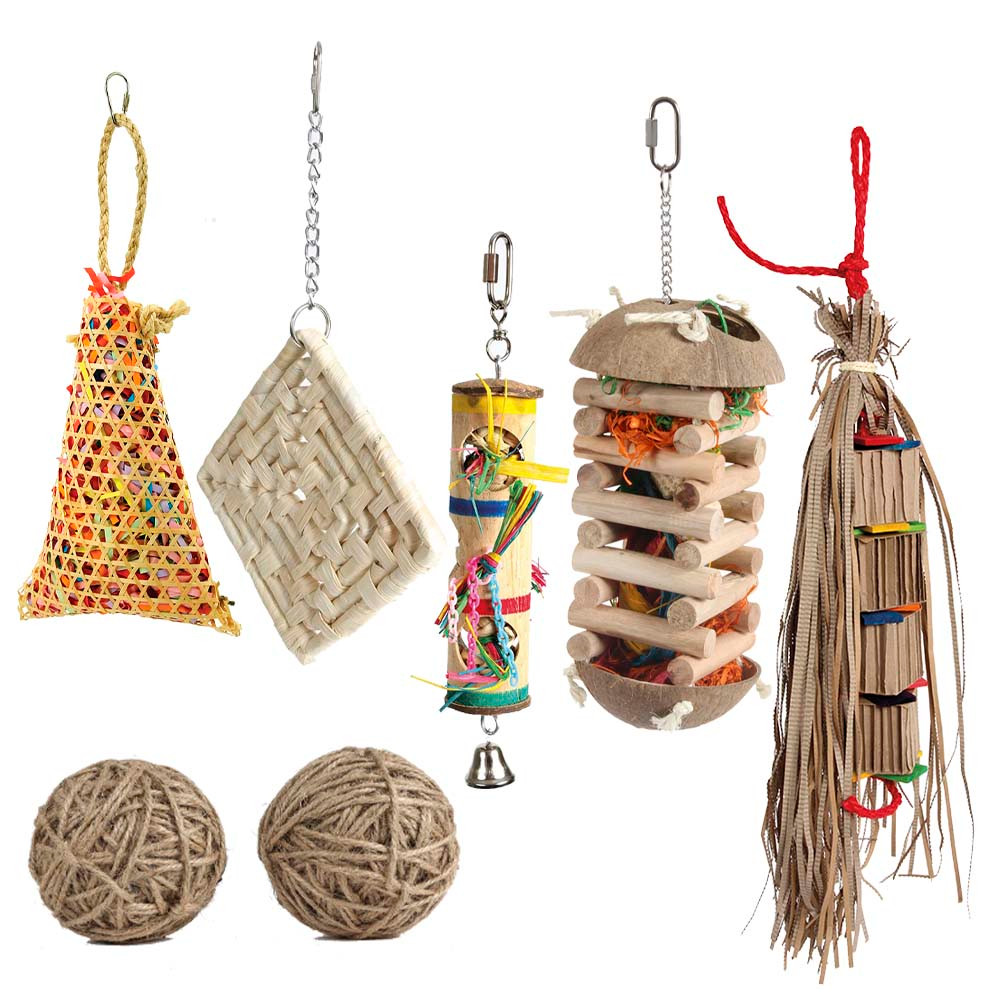
Foraging Toy Bundle
The Multi-Tier Cognitive Parrot Foraging Bundle includes four veterinarian-appro...

Java Wood Perch Stand
Crafted from single sustainably harvested, mature plantation Java wood trees (*C...
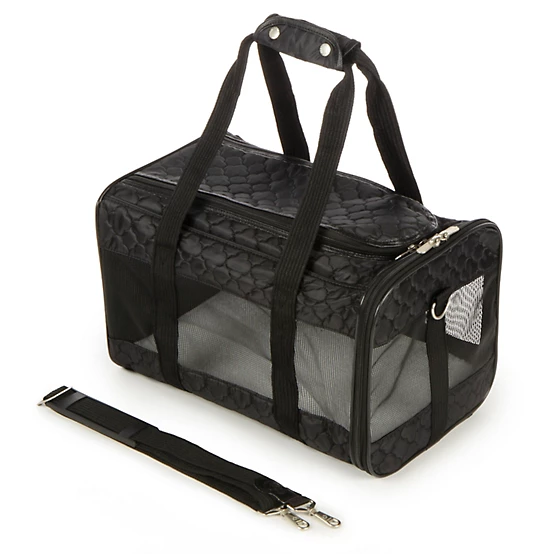
Deluxe Travel Carrier
The Deluxe Avian Travel Carrier provides secure, climate-controlled, stress-free...
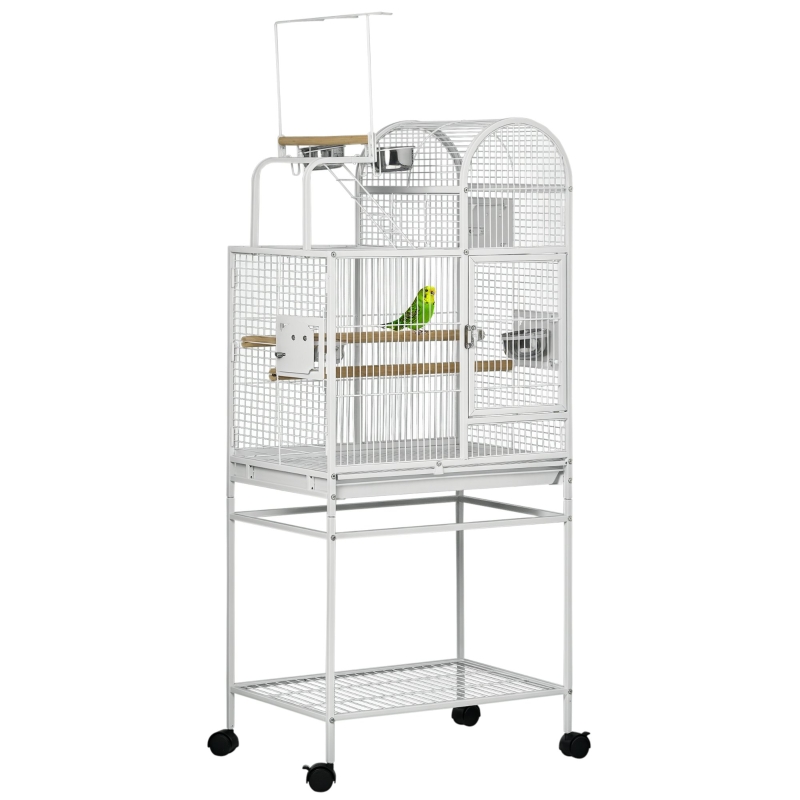
Medium Cockatiel Cage
Designed specifically for the crest clearance, agile flight paths, and climbing ...
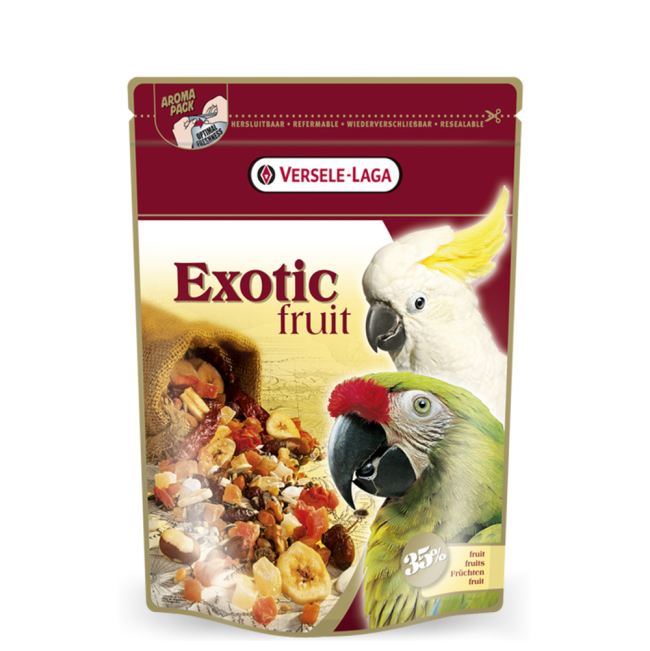
Tropical Fruit Seed Mix
Our Tropical Fruit & Seed Foraging Blend is an artisanal, human-grade enrichment...
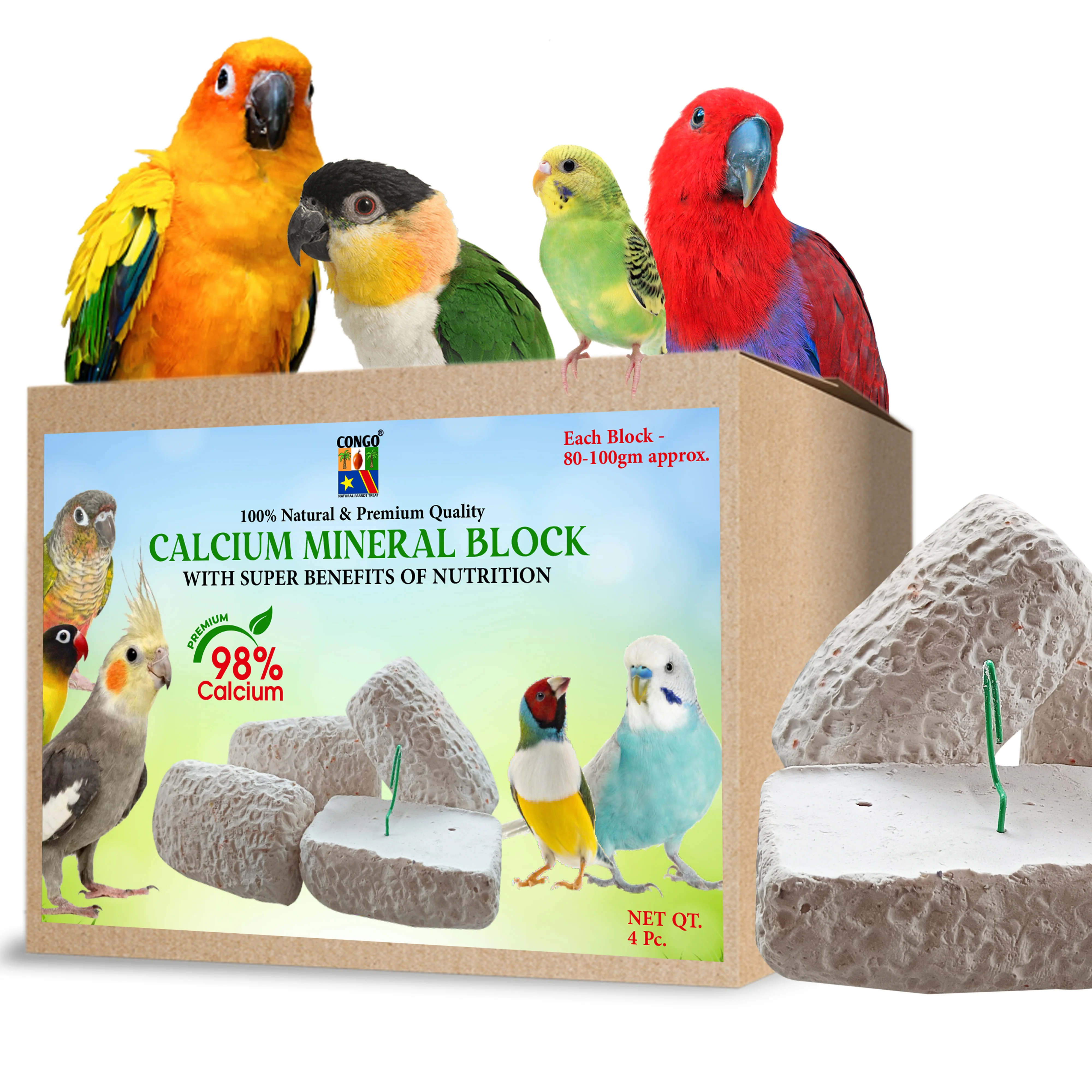
Calcium Block
Our Natural Mineral Calcium Block with Essential Iodine delivers bioavailable ca...
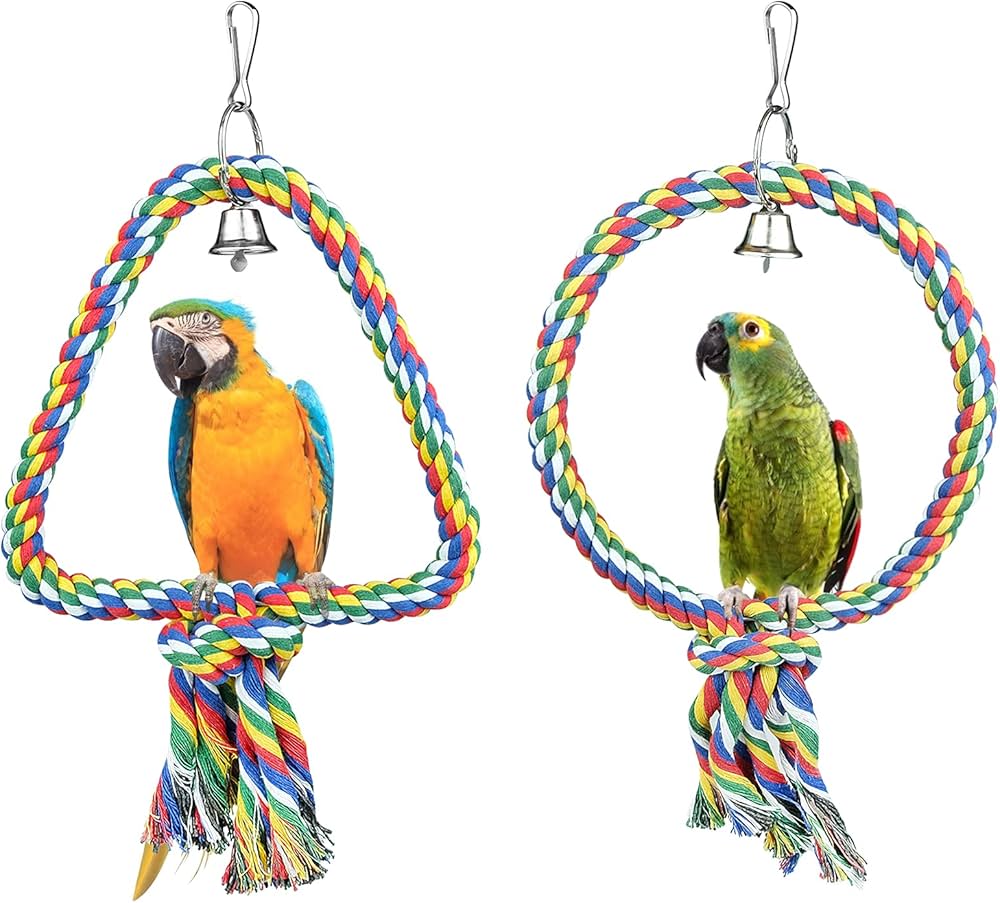
Rope & Swing Bundle
The Multi-Activity Avian Rope Swing & Climbing Bundle includes three versatile e...
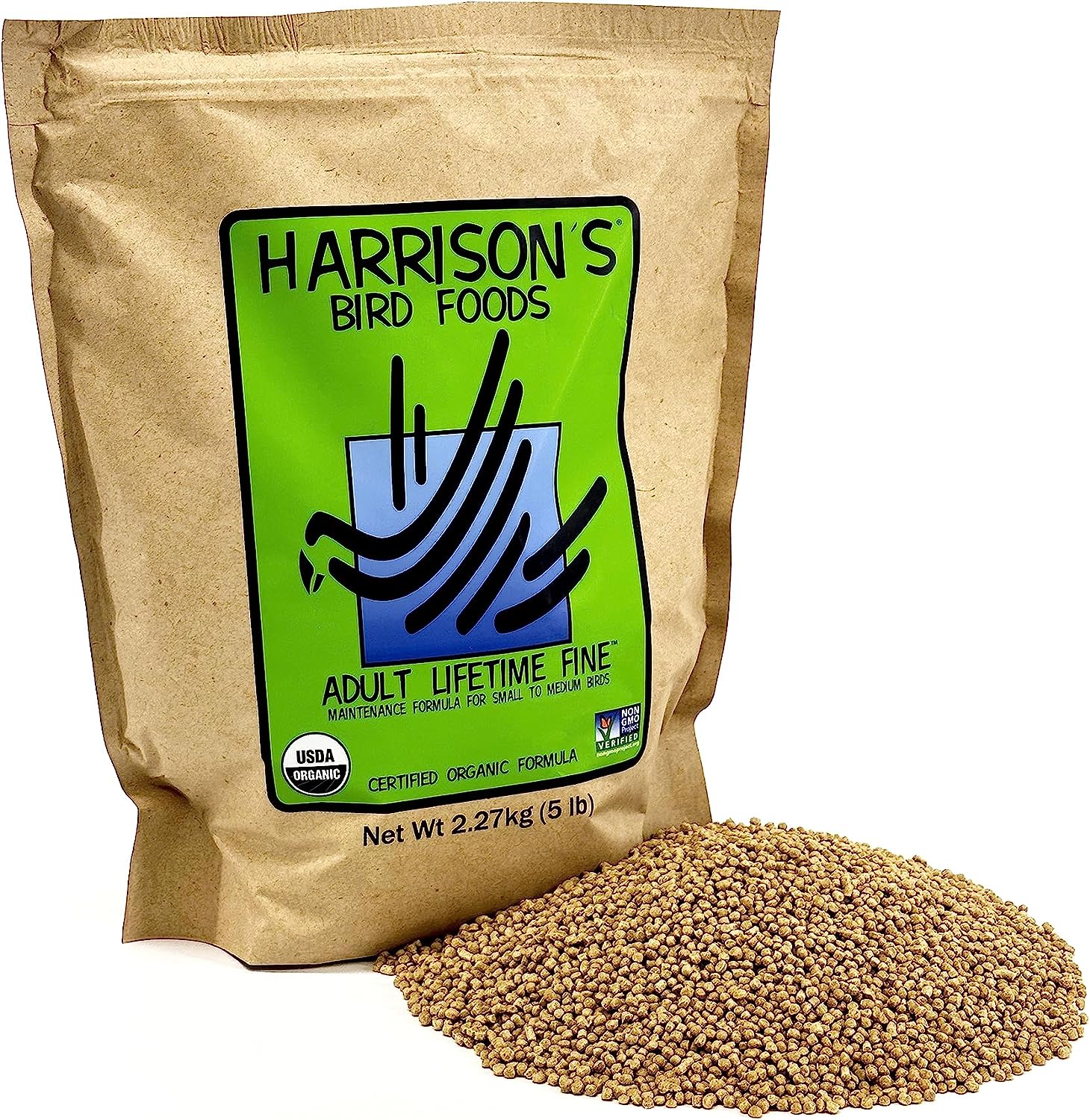
Harrison's Adult Lifetime Fine
Harrison's Bird Foods Adult Lifetime Fine is the worldwide gold standard in orga...
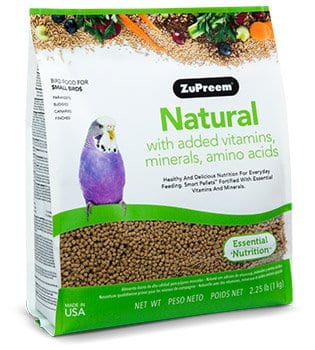
ZuPreem Natural Bird Food
ZuPreem Natural Daily Bird Food delivers wholesome, consistent, veterinarian-rec...
Explore Specialized Avian Supplies by Category
Find precisely sized, non-toxic products for your bird class:
Pet Bird Supplies: Frequently Asked Questions
The indispensable baseline comprises a species-proportioned enclosure with non-toxic powder coating or stainless steel, a veterinary-formulated pellet diet, varied natural hardwood perches (not uniform dowels), destructible foraging toys, stainless steel food and water crocks, and an avian first-aid kit with styptic powder.
All-seed diets are deficient in vitamin A, calcium, and essential amino acids while excessively high in lipids, leading directly to hepatic lipidosis (fatty liver disease), respiratory infections, and shortened lifespans. Formulated pellets should comprise 60-70% of intake alongside fresh dark leafy greens and vegetables.
Zinc and lead represent the most common heavy metal toxicities in companion aviculture. Galvanised wire contains zinc that is ingested during normal climbing and gnawing. Safe materials are limited to 304/316 grade stainless steel and certified non-toxic wrought iron powder coatings.
Uniform dowels exert constant pressure on identical plantar surfaces of the avian foot, predisposing birds to pododermatitis (bumblefoot). Sandpaper perch covers abrade the delicate dermal layers without trimming nails. Natural branches with varying diameters exercise foot tendons and provide natural wear.
Psittacines and companion birds possess high cognitive capacity; static environments induce chronic stress, screaming, and feather-destructive behaviour. Toys should be rotated bi-weekly, and destructible foraging puzzles replenished continuously to satisfy innate chewing and foraging drives.
Related Bird Care Guides & Resources
Cage & aviary setup guide · Parrot nutrition & pellet transition · Safe woods & toxic food list · Recognising avian diseases early · Bathing and grooming guide · Explore available parrots