The Science of Avian Plumage Maintenance and Safe Grooming
In tropical habitats, psittacines maintain feather structure through daily rainfall and humidity gradients, grooming their plumage using preen gland secretions. In domestic homes, low humidity dries the skin, accelerates powder-down accumulation, and can trigger self-mutilation and feather picking. Providing appropriate bathing infrastructure and safe grooming accessories is vital for long-term health.
1. Fine-Mist Atomizers vs. Ceramic Bath Basins
Standard garden sprayers produce erratic heavy jets that provoke panic. Professional 360-degree aerosol-free continuous mist bottles emit an ultra-fine, continuous vapor that settles gently across the contours of the wings and breast, simulating canopy mist. For smaller species like cockatiels and conures, heavy ceramic bath dishes provide stable footing without tipping.
2. Safe Nail Trimming Protocol and Safety Stops
Overgrown nails alter avian foot biomechanics, predisposing birds to pododermatitis and snagging accidents on cage ropes. Our professional trimming kits feature surgical stainless steel blades with adjustable safety depth guards. Always keep a container of styptic powder uncapped and accessible during trimming.
3. Beak Conditioning and Mineral Matrix Blocks
The psittacine bill consists of vascular bone encased in a continuously growing rhamphotheca of beta-keratin. Providing hard mineral blocks infused with calcium carbonate, trace iodine, and natural volcanic pumice allows birds to scrape away excess keratin flakes and maintain a sharp, functional alignment naturally.
4. Managing Powder Down Dander in the Aviary Environment
Powder-down species naturally produce fine talc-like keratin powder that waterproofs their contour feathers. Daily gentle misting binds airborne particles, hydrating the feather follicle and facilitating thorough daily preening without airborne dust buildup.
Grooming, Bathing & First-Aid Products
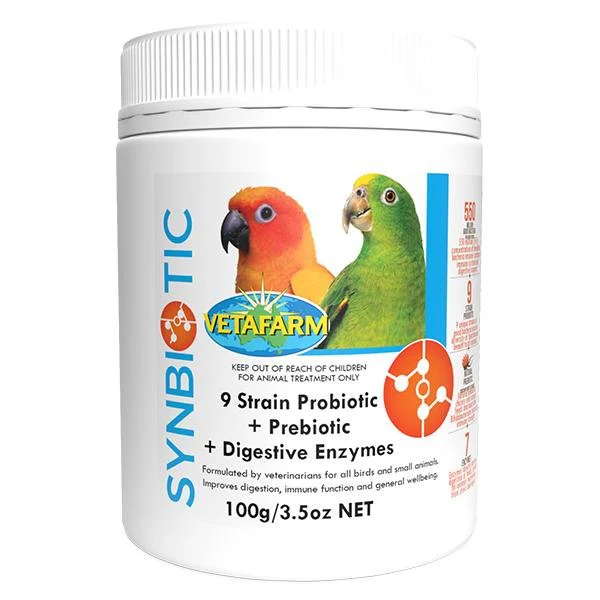
Avian Probiotics Powder
Our Multi-Strain Avian Probiotics & Prebiotic Powder delivers 2 billion live Col...
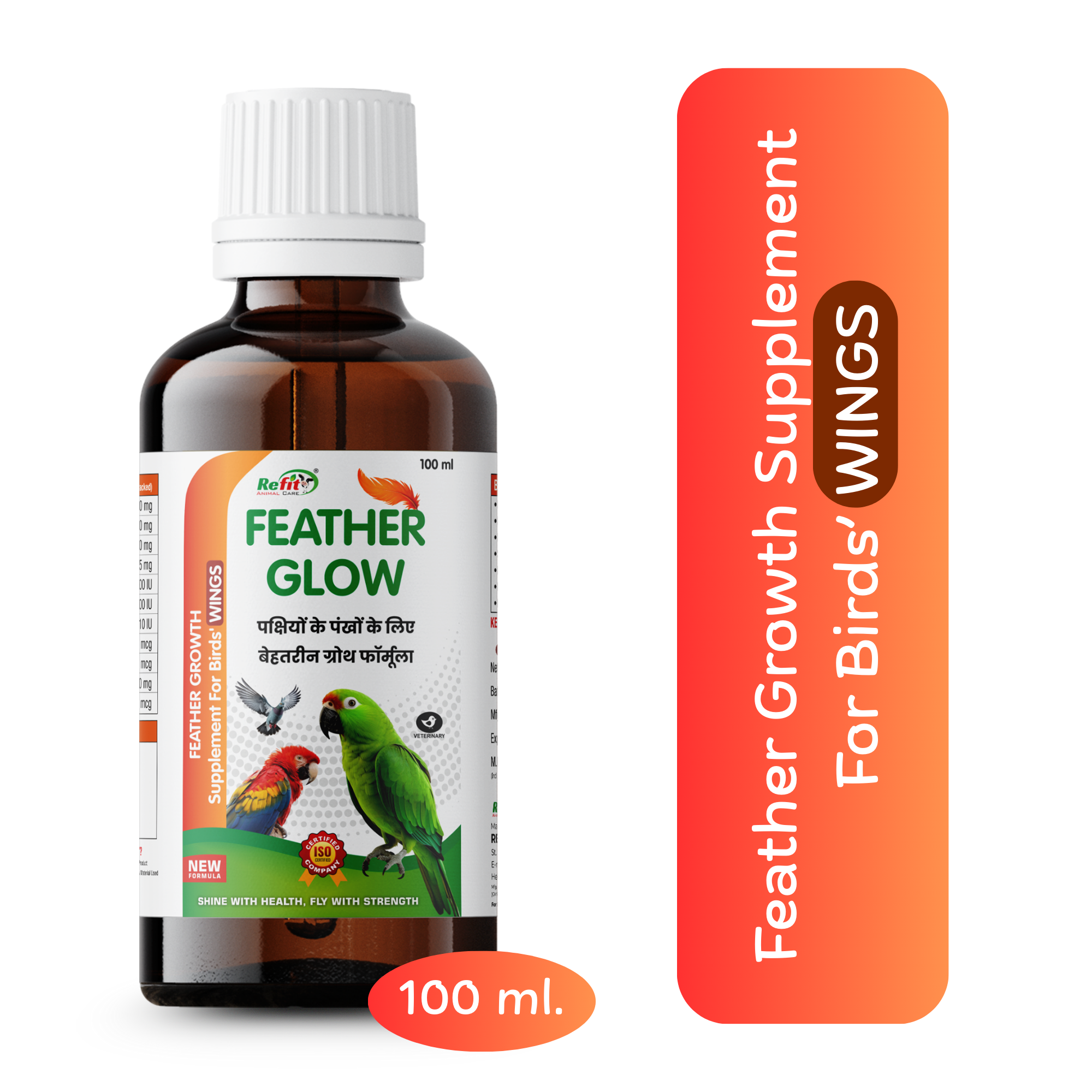
Feather-Glow Supplement
Feather Glow Avian Moult & Plumage Enhancer is an advanced nutritional supplemen...
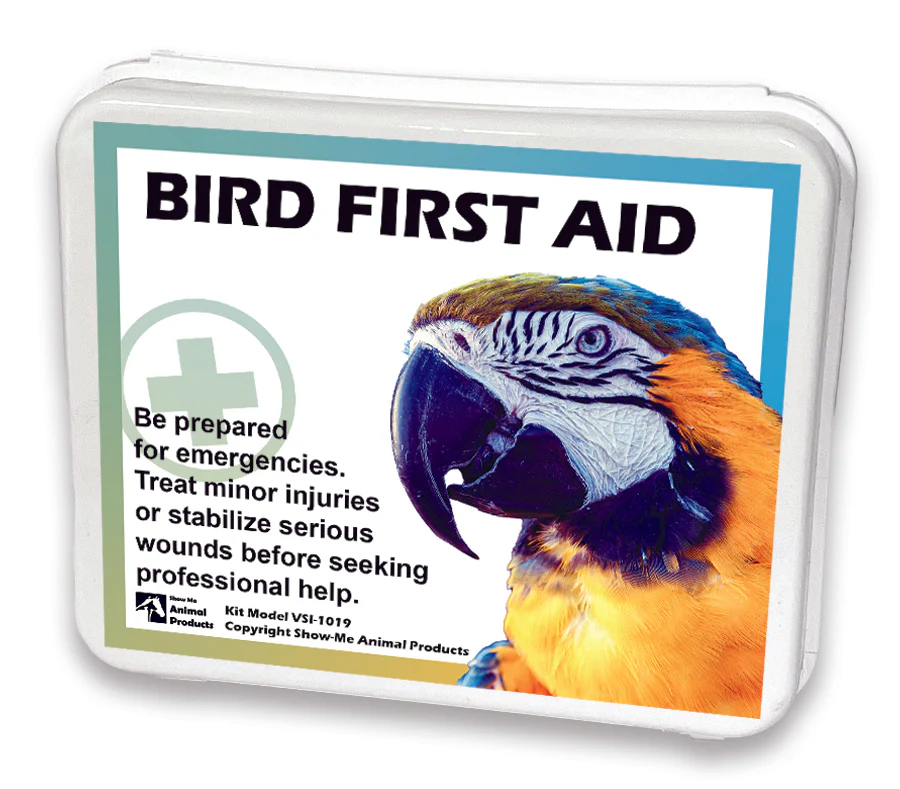
Avian First-Aid Kit
The Complete 18-Piece Avian Emergency First Aid Kit is an essential safety requi...
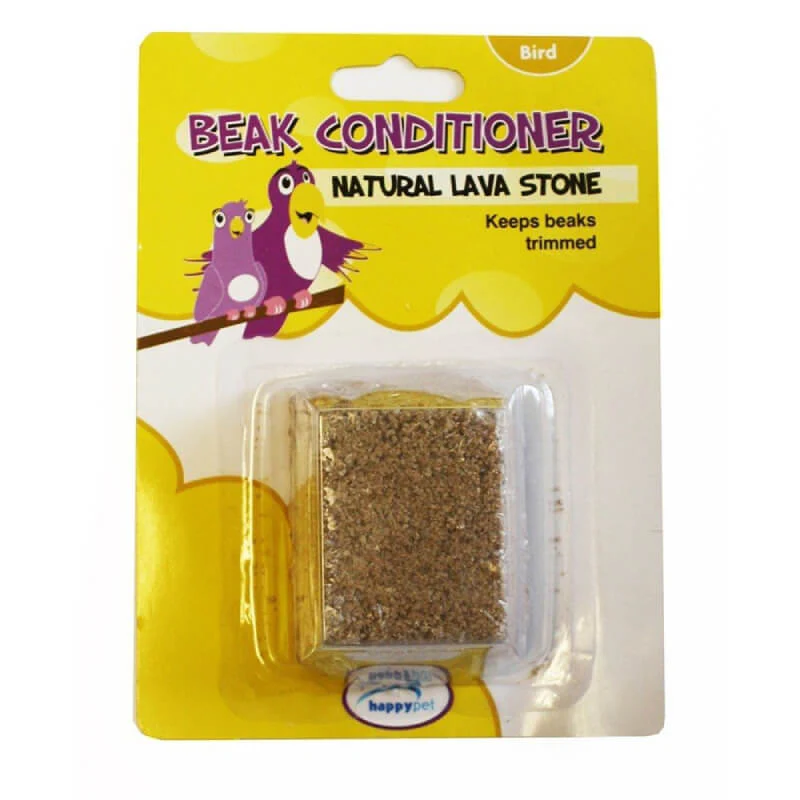
Beak & Claw Conditioner
The Ergonomic Pumice Lava Beak & Claw Conditioning Perch delivers safe, continuo...
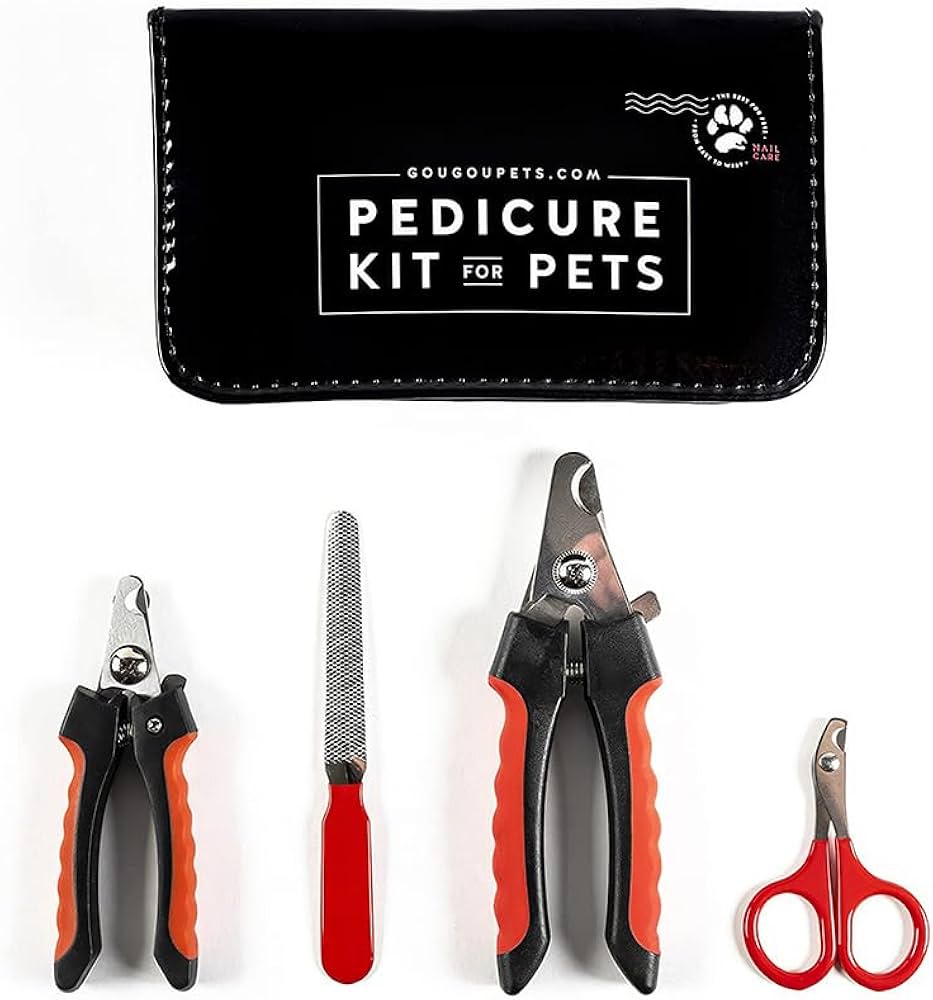
Professional Nail Trimming Kit
The Professional Avian Nail Trimming & Grooming Kit provides bird owners and avi...
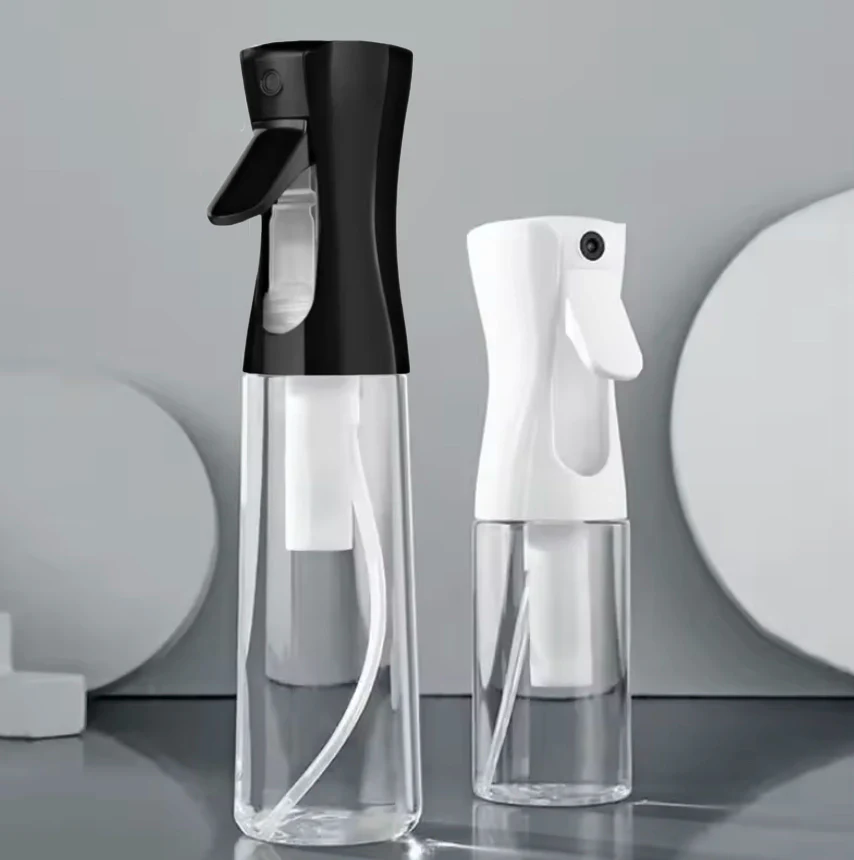
Fine Mist Spray Bottle
The Ultra-Fine Continuous Mist Avian Bathing Sprayer produces a prolonged, aeros...
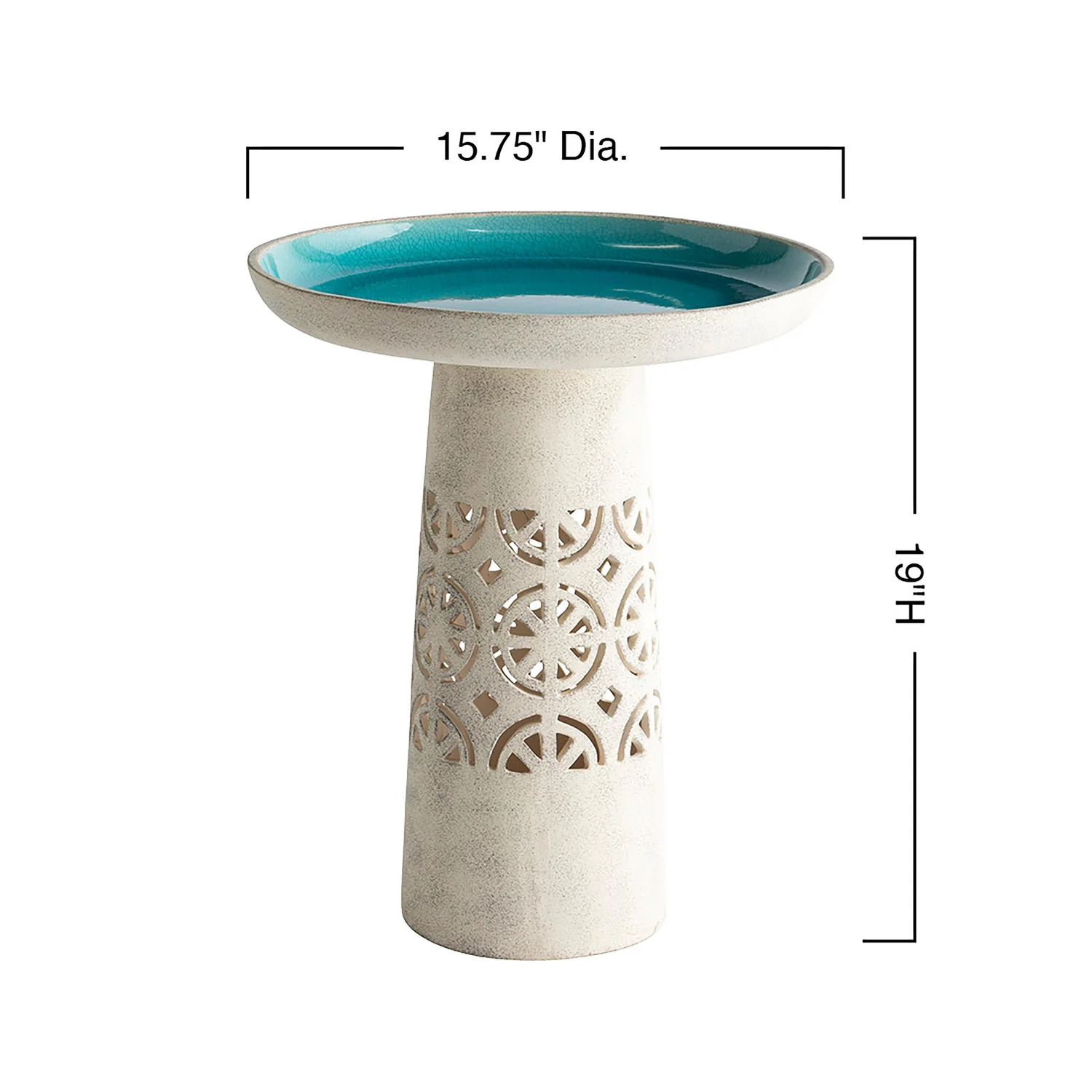
Ceramic Bird Bath
The Heavy-Duty Tip-Proof Ceramic Avian Bath Basin provides a stable, hygienic, s...
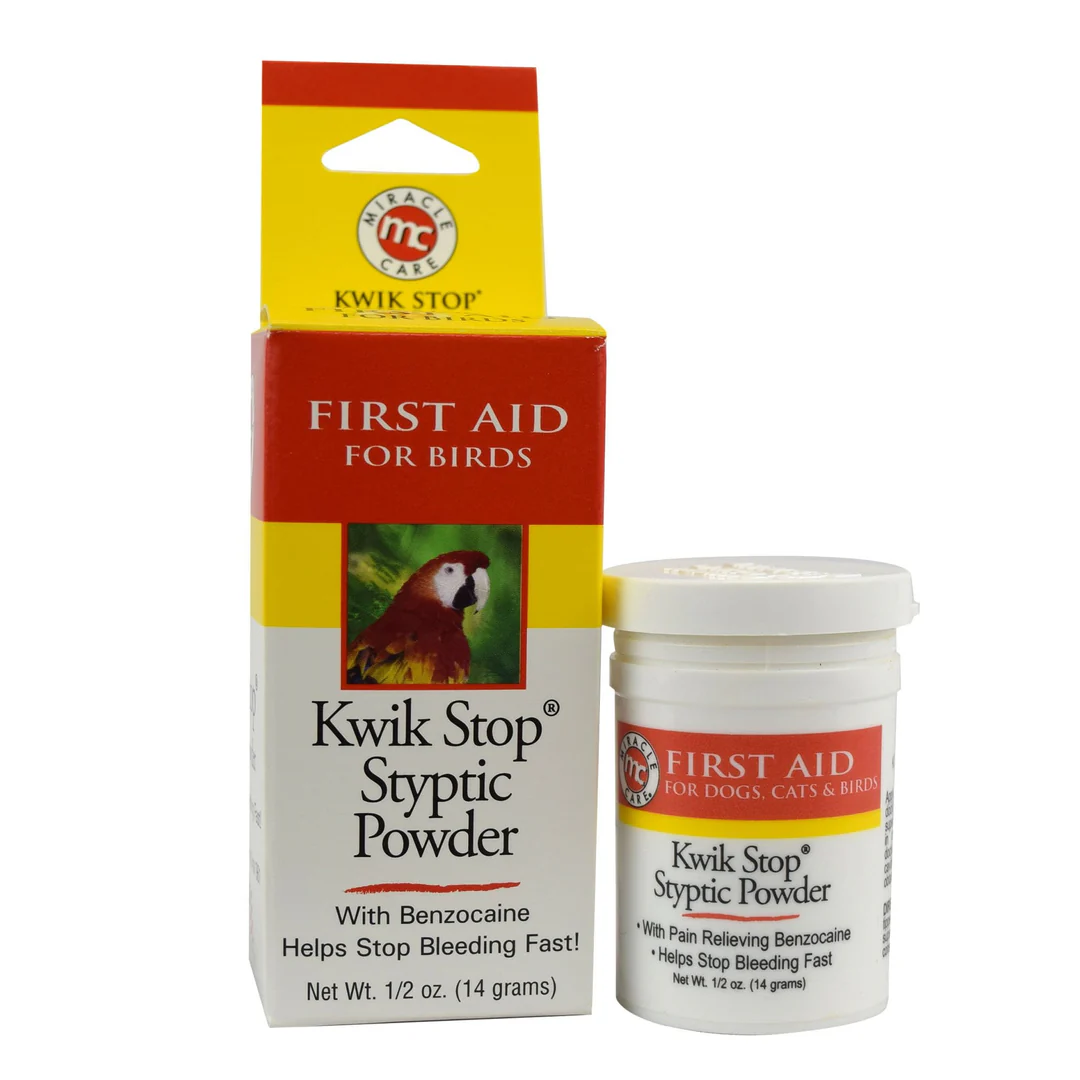
Styptic Powder
Our Rapid-Action Avian Styptic Powder is the essential frontline hemostatic agen...
Related Avian Care Categories
Bird Grooming & Health: Frequently Asked Questions
Most tropical psittacines thrive with daily or 3-4 times weekly misting. Fine lukewarm water droplets penetrate the outer feather coat, hydrating the skin and rinsing away dander. Bathing should occur in the morning to ensure complete drying before nocturnal roosting.
Apply immediate firm pressure using styptic powder (or cornstarch) directly to the bleeding nail apex for 60 seconds. Because avian blood volume is small (~10% of body weight), styptic powder must be uncapped and ready before any trimming procedure begins.
In a healthy bird, natural gnawing on dense hardwoods, mineral blocks, and in-shell nuts maintains proper keratin wear naturally. Manual beak trimming is an avian veterinary procedure reserved solely for scissor-beak malocclusions or metabolic hepatic disease.
Cockatoos, African Greys, and Cockatiels produce extensive powder down. Regular fine-mist bathing and medical-grade HEPA air filtration in the bird room are critical to prevent respiratory hypersensitivity in both birds and human guardians.
Strictly no. Soaps, detergents, and human shampoos strip the natural lipid waterproofing layer of avian plumage, causing thermal collapse and severe skin irritation. Only pure, lukewarm fresh water should ever touch avian feathers.
Avian Health Guides & Reading
Full bathing & grooming guide · Recognising illness in parrots · Nutrition & feather growth · African Grey powder-down care · Available parrots