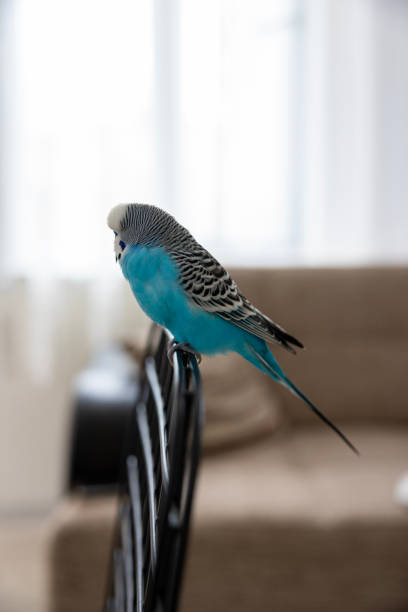
Indian Ringneck
Species Overview
The Indian Ringneck Parakeet (*Psittacula krameri manillensis* / *Alexandrinus krameri*) is renowned globally for its astonishing vocal clarity, elegant slender silhouette, and vibrant color mutations. Featuring a long graduated tail, emerald green plumage (with blue, lutino, and violet mutations), and a distinguished black-and-rose neck ring in mature males, this intelligent Afro-Asian parakeet possesses exceptional cognitive abilities and independent charm.
Origin, Range & Feral Adaptability
Native to the savannah woodlands, agricultural fields, and deciduous forests of the Indian subcontinent and sub-Saharan Africa, Indian Ringnecks are exceptionally hardy, adaptable birds. Feral naturalized colonies thrive across major European cities, showcasing their robust thermal tolerance and social resilience.
Adult Size, Tail Length & Color Mutations
Adult Ringnecks measure approximately 38 cm to 42 cm (15 to 16.5 inches) from beak to tail tip, with the long, tapered central tail rectrices accounting for over half of their total length. Adult body weight averages 115 grams to 140 grams. While wild birds are brilliant grass-green, captive breeding has established magnificent mutations including sky blue, lutino (bright yellow), albino, and turquoise.
Extraordinary Speech Clarity & Vocal Characteristics
Indian Ringnecks are recognized among aviculturists as some of the most articulate talking birds in the world, speaking with a distinct, charming, high-pitched human-like voice. They can learn dozens of words, complete phrases, and whistle complex tunes with astonishing clarity.
The Juvenile 'Bluffing' Stage & Behavioral Guidance
Between 4 and 12 months of age, young Ringnecks enter a normal hormonal phase known as 'bluffing,' characterized by mock-lunging, hissing, and testing boundaries. Understanding owners who maintain calm, gentle, positive-reinforcement handling navigate this stage smoothly, developing a sweet, bonded companion.
Enclosure Sizing & Tail Clearance
Because over 50% of the bird's length consists of tail feathers, cages must be wide and deep to prevent frayed plumage. Minimum cage dimensions are 80 cm W x 60 cm D x 100 cm H with safe 1.2 cm to 1.6 cm (1/2" to 5/8") bar spacing.
Dietary Composition & Gout Prevention
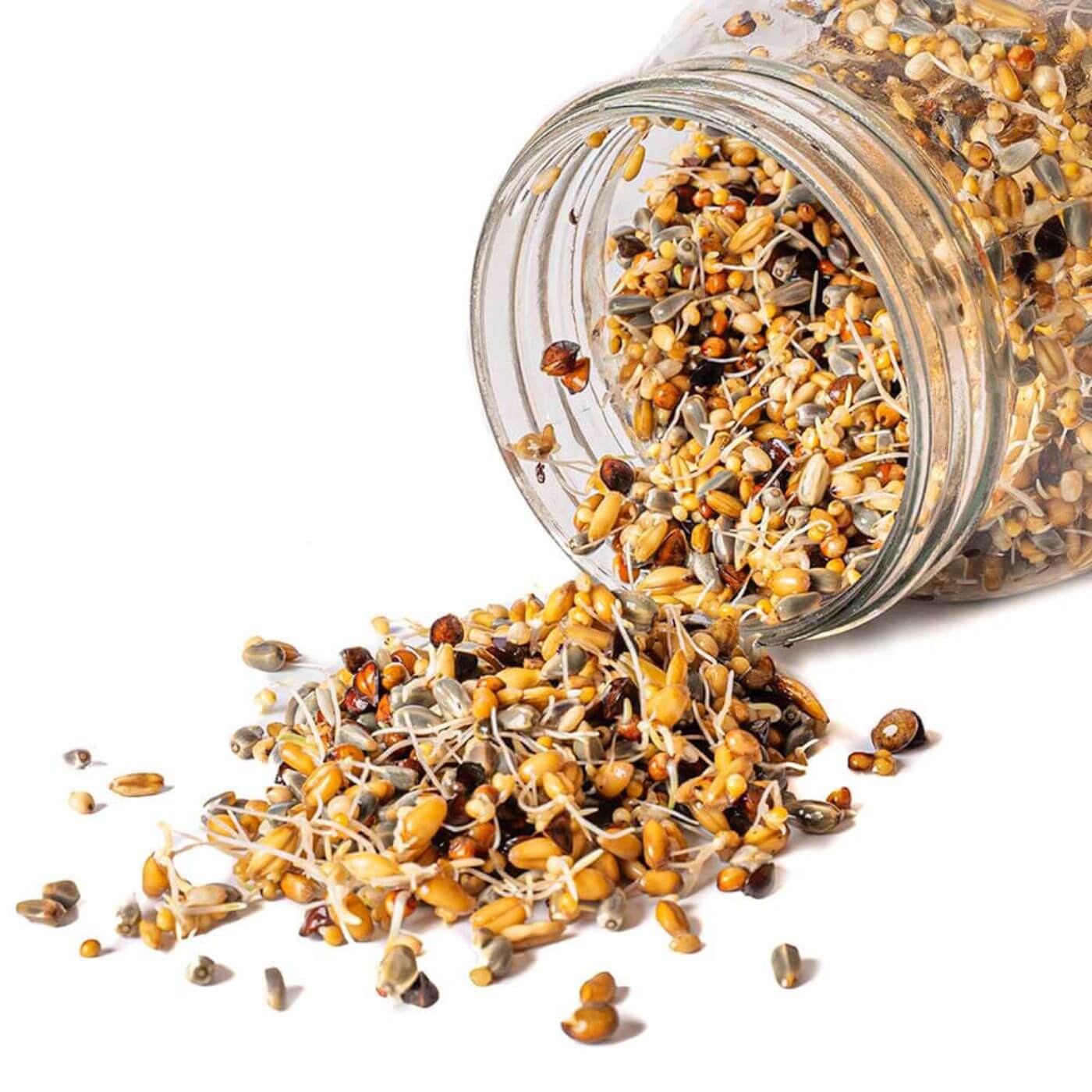
Ringnecks require a baseline of 70% micro-extruded formulated pellets (such as Harrison's Fine or ZuPreem Natural) combined with 25% fresh vegetables (kale, broccoli, bell peppers, carrots) and 5% sprouted seeds. Limit high-protein animal foods to prevent visceral gout.
Daily Exercise & Independent Foraging
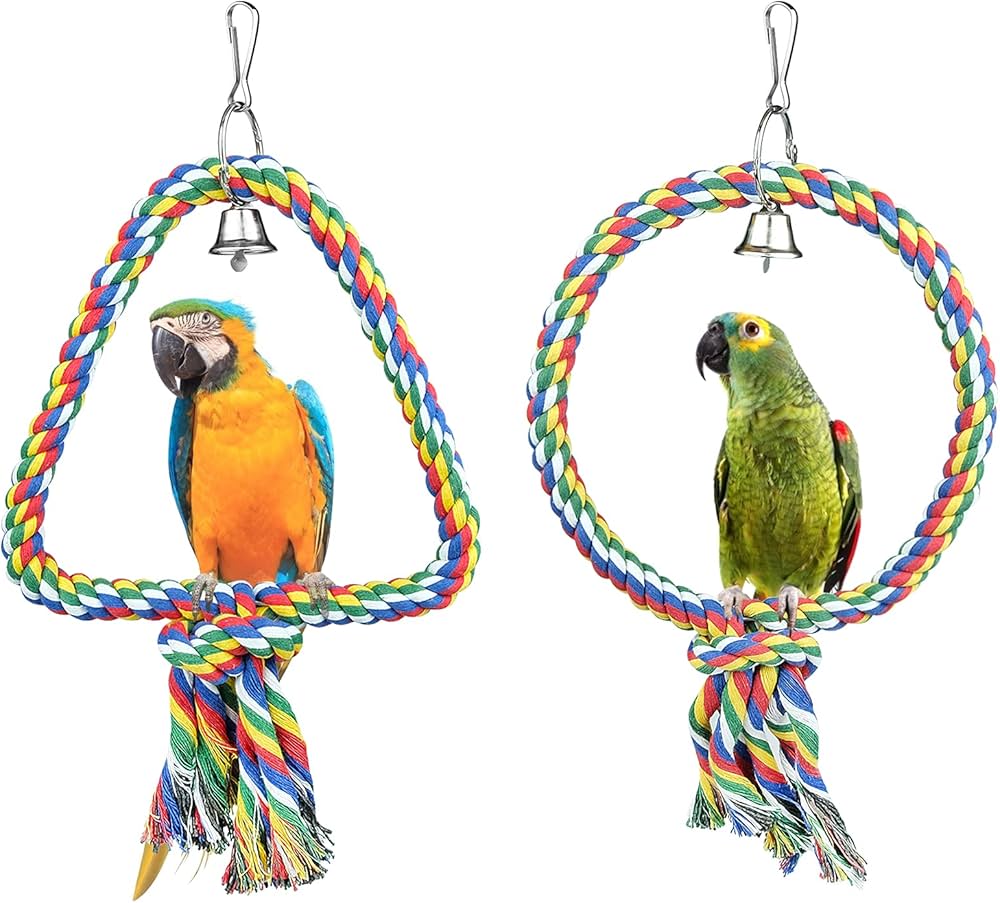
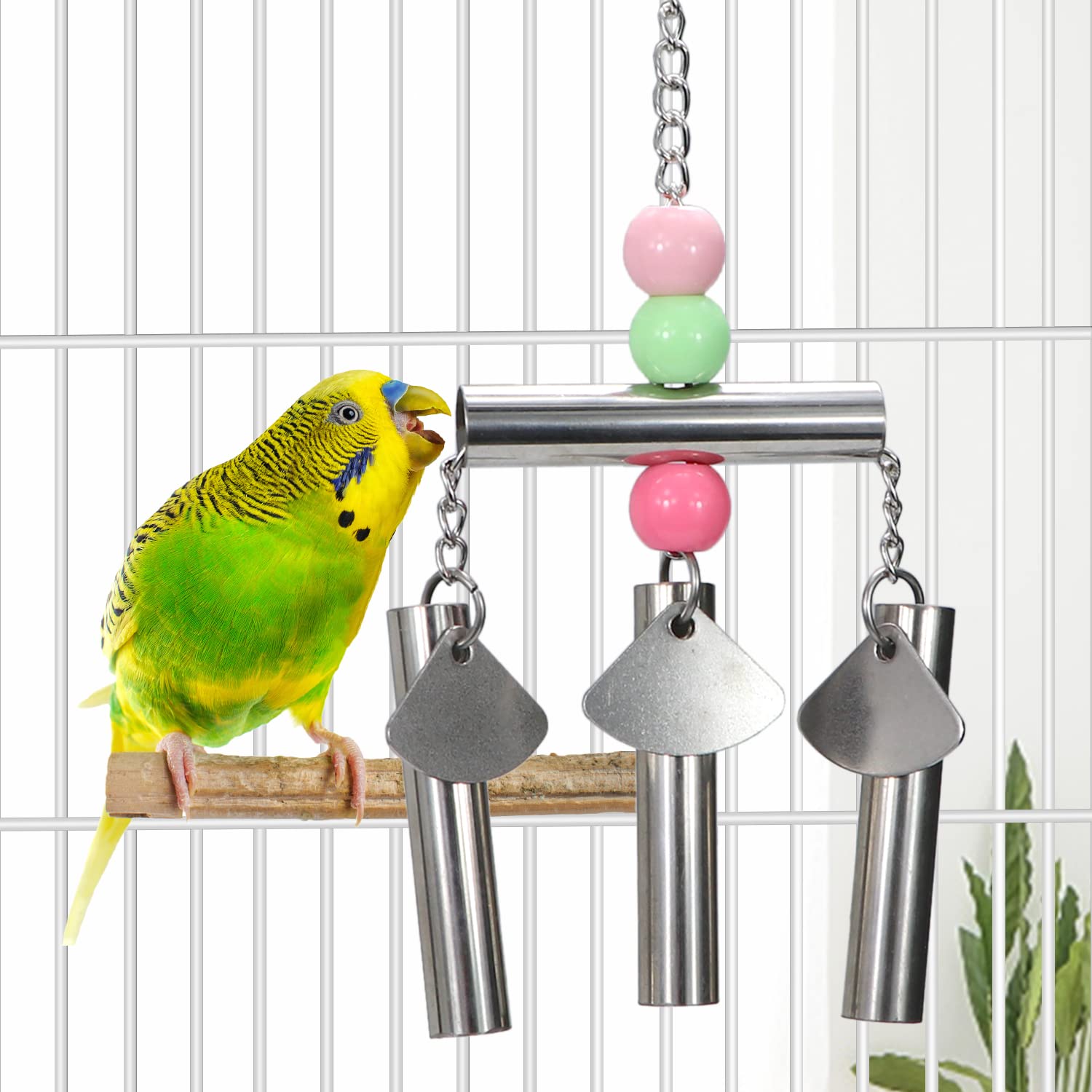
Ringnecks are active, aerodynamic flyers that require a minimum of 2 to 3 hours of daily free-flight exercise. They enjoy puzzle toys, rope swings, and destructible balsa wood blocks.
Social Bonding, Training & Lifelong Companionship
Establishing a secure, trusting bond with an exotic parrot requires patient positive reinforcement training, respect for avian body language, and a calm, predictable daily routine. Never use physical punishment or aggressive handling, which permanently damages trust. Spend dedicated daily one-on-one time engaged in target training, gentle vocalisation, and shared foraging activities to build a joyful, well-adjusted relationship spanning decades.
Training & Enrichment
Ringnecks are quick, food-motivated learners with an exceptional capacity for clear speech, and they respond well to positive reinforcement for target, station and recall behaviours. The critical training period is adolescence: at roughly six to twelve months a previously sweet bird begins lunging and biting, a well-documented phase known as bluffing. It is developmental rather than a personality change. Continue handling calmly and consistently, do not react dramatically to a bite - a sharp withdrawal or a shout is reinforcing - and most birds pass through it within a few months.
Health Considerations
Ringnecks are susceptible to psittacine beak and feather disease, which is a reason to quarantine any new bird for 30-45 days in a separate airspace with veterinary screening. Aspergillosis follows poor ventilation. Obesity and fatty liver disease follow seed-based diets. Hens on long day length are prone to chronic egg laying and egg binding. Because of the long tail, cage-related feather damage and broken tail feathers are common in undersized enclosures. Weigh weekly on a gram scale and book an annual avian examination.
Frequently Asked Questions
At approximately 2 to 3 years of age, mature males develop a distinct black and rose-pink neck ring; females lack the dark ring and retain a solid green or uniform collar.
In companion aviculture with proper pellet nutrition and care, Indian Ringnecks live 25 to 35+ years.
Ringnecks are affectionate and social, preferring to sit on shoulders and interact verbally rather than receiving continuous heavy petting like cockatoos.
Yes, they thrive in pairs or small flocks provided their aviary is sufficiently spacious.
They have a shrill, piercing contact call, but vocalize far less frequently and at lower overall decibel volumes than large macaws or conures.