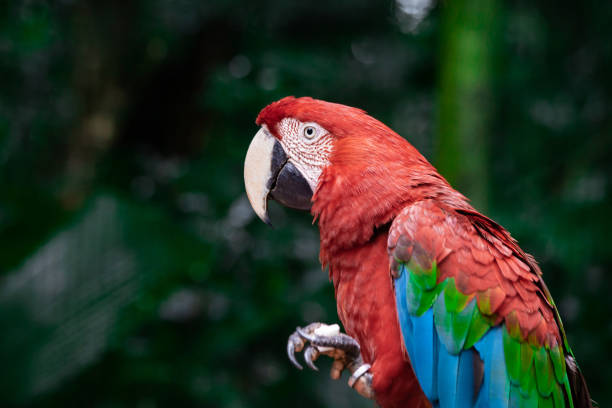
Scarlet Macaw
Species Overview
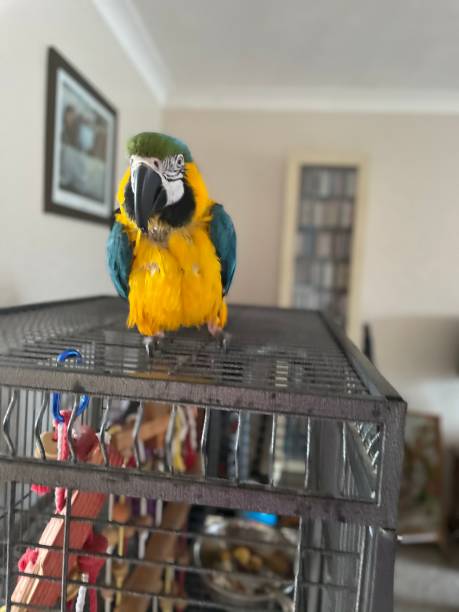
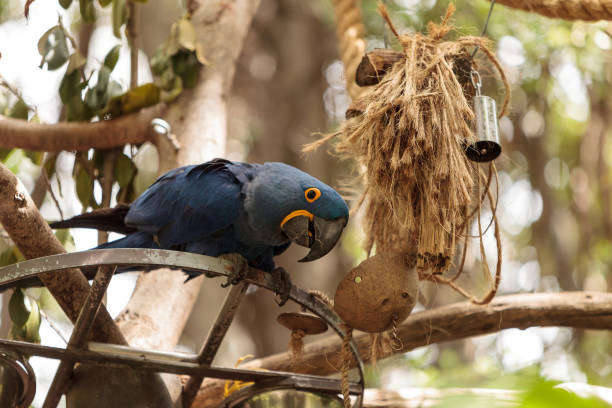
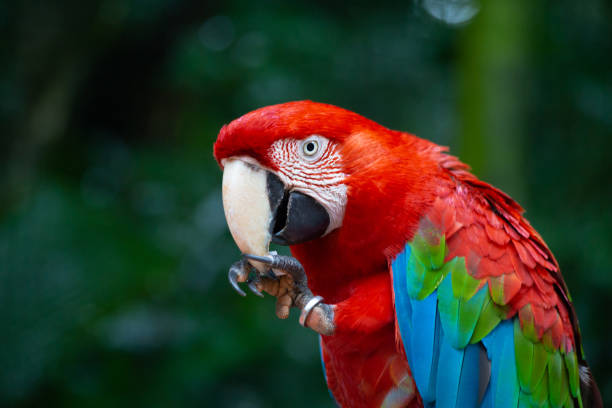
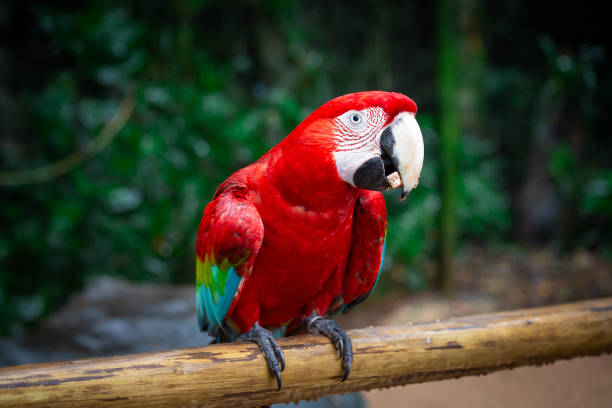
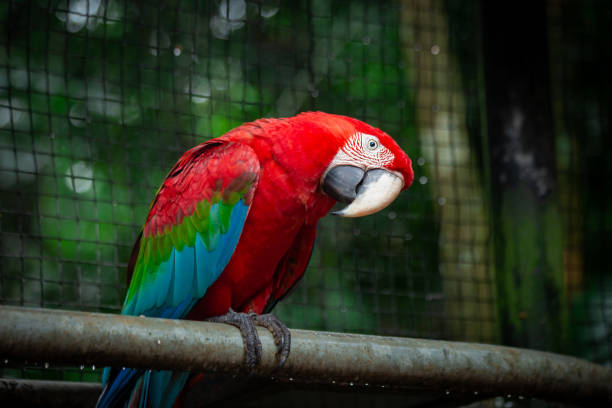
The Scarlet Macaw (*Ara macao*) is one of the most iconic, majestic, and intellectually complex Neotropical parrots on Earth. Draped in brilliant scarlet red, bright yellow, and cobalt blue plumage with characteristic white facial feather tracks, this magnificent psittacine commands immense presence. Native to the humid lowland evergreen rainforests of Central and South America, the Scarlet Macaw is a long-lived, highly social companion bird requiring expansive physical housing, rich lipid nutrition, and hours of daily cognitive enrichment.
Origin, Taxonomy & Natural Rainforest Habitat
Native to the continuous canopy forests stretching from southern Mexico across the Amazon Basin to northern Bolivia and central Brazil, wild Scarlet Macaws inhabit primary humid evergreen forests below 1,000 meters elevation. They travel in bonded lifelong monogamous pairs or small family groups, flying swiftly above the forest canopy and vocalizing across kilometers to maintain flock cohesion.
Adult Dimensions, Wingspan & Physical Morphology
An adult Scarlet Macaw measures approximately 81 cm to 96 cm (32 to 38 inches) from the crown to the tip of its long, pointed red and blue tail feathers, with a full horizontal wingspan exceeding 100 cm to 115 cm (39 to 45 inches). Mature body weight ranges from 900 grams to 1,250 grams. Their massive ivory and black maxilla generates extraordinary crushing power designed to crack thick-walled tropical nuts.
Temperament, Intelligence & Vocal Profile
Scarlet Macaws possess exceptional cognitive acuity combined with bold, energetic personalities. They thrive on direct interaction and problem-solving puzzles. However, prospective guardians must respect their natural acoustic capability: dawn and dusk contact calls reach volumes of 100 to 105 decibels, making them completely unsuited to apartment or attached-housing environments.
Housing Specifications & Enclosure Minimums
Due to their expansive wingspan, standard bird cages cause severe feather damage. Minimum indoor cage dimensions are 120 cm W x 90 cm D x 160 cm H of living interior space (ideally 150 cm x 100 cm x 180 cm). Bar spacing must measure 2.5 cm to 3.8 cm (1.0" to 1.5") with a minimum 5.0 mm solid steel wire gauge. Heavy-duty gravity locks are mandatory to prevent escapes.
Nutritional Requirements & Dietary Lipids
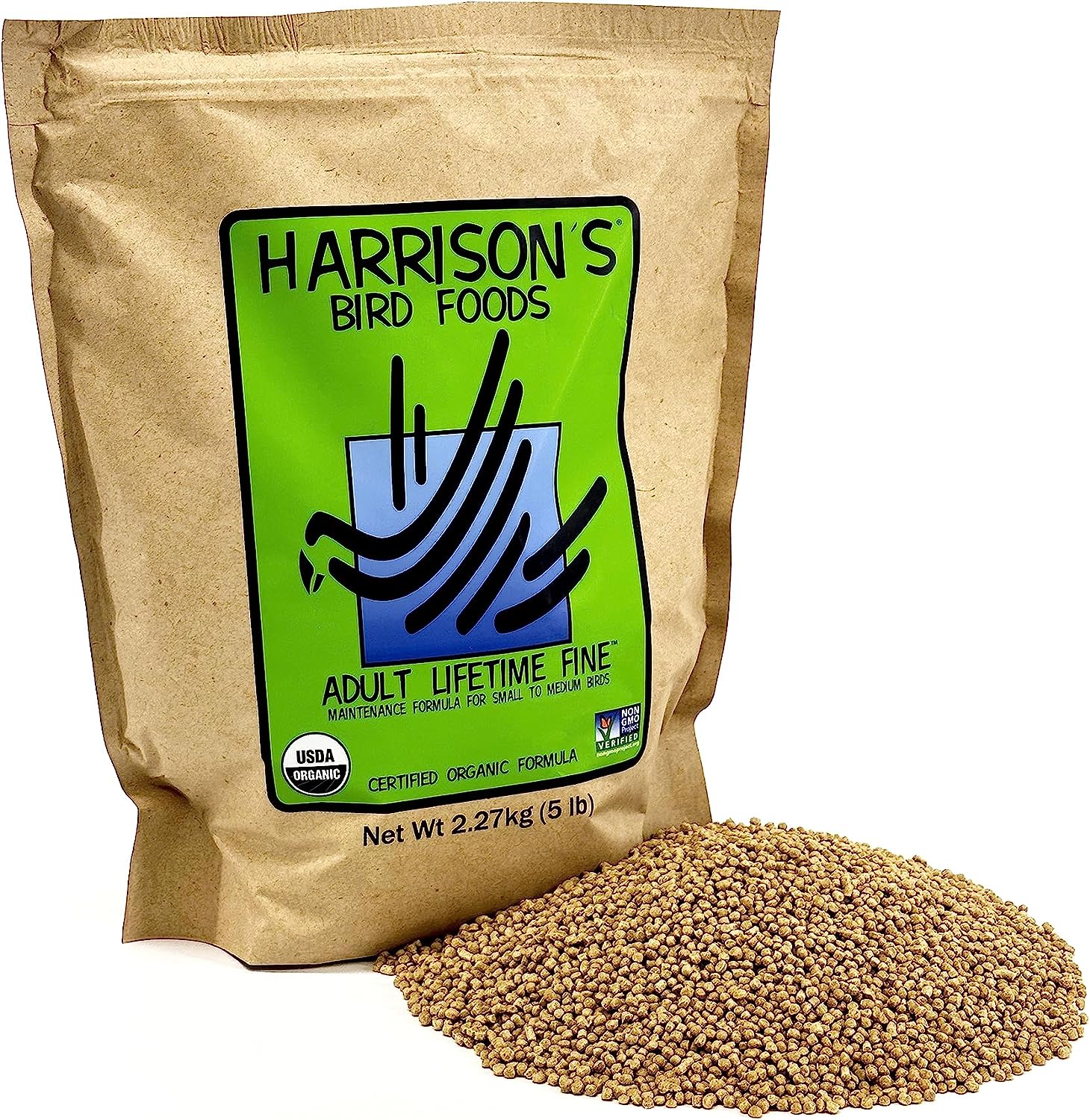
Unlike smaller parrots prone to obesity, macaws have high basal metabolic demands for healthy plant lipids. Their daily diet should consist of 60% formulated organic pellets, 20% fresh dark vegetables and sprouted seeds, and 20% whole raw in-shell tree nuts (walnuts, almonds, macadamias, and Brazil nuts) to supply essential fatty acids and natural vitamin E.
Health Susceptibilities & Veterinary Warning Signs
Scarlet Macaws are susceptible to Proventricular Dilatation Disease (PDD/Bornavirus), Aspergillosis fungal respiratory infections, and feather-destructive behaviors caused by captive boredom or inadequate humidity. Annual avian veterinary wellness examinations with complete blood counts (CBC) and protein electrophoresis are vital.
Daily Exercise & Free-Flight Enrichment
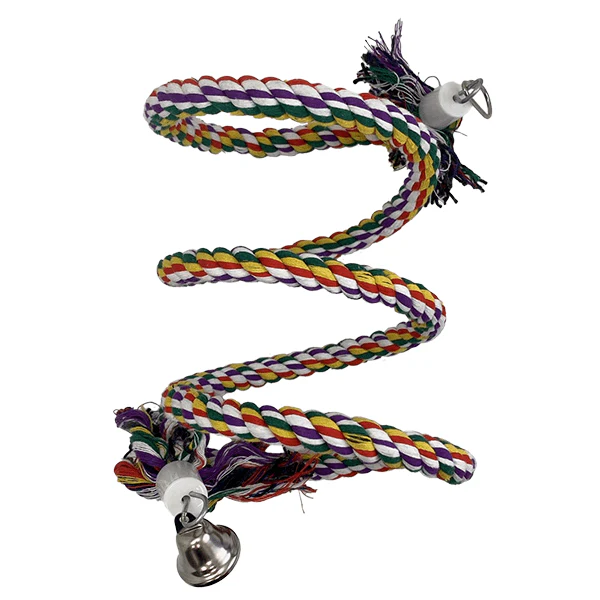
A minimum of 3 to 4 hours of daily out-of-cage supervised exercise on heavy-duty Java wood playstands or dedicated flight rooms is mandatory. Provide constant destructible hardwood blocks, pine timber, and foraging puzzles to constructively channel their natural chewing drive.
Social Bonding, Training & Lifelong Companionship
Establishing a secure, trusting bond with an exotic parrot requires patient positive reinforcement training, respect for avian body language, and a calm, predictable daily routine. Never use physical punishment or aggressive handling, which permanently damages trust. Spend dedicated daily one-on-one time engaged in target training, gentle vocalisation, and shared foraging activities to build a joyful, well-adjusted relationship spanning decades.
Training & Enrichment
Scarlet Macaws are intelligent and highly trainable but less forgiving of handler error than a Blue-and-Gold - they escalate faster and remember longer. Build target, station and recall behaviours from the start using positive reinforcement, and invest early in cooperative-care behaviours such as voluntary scale-stepping, towel acceptance and nail presentation, because a fifty-year veterinary relationship with an unhandleable macaw is miserable for everyone. Never use force or flooding; a frightened macaw with a bite force capable of severing a finger is a serious safety problem.
Health Considerations
Feather-destructive behaviour is the commonest presenting complaint and is nearly always a husbandry or social problem before a medical one. Proventricular dilatation disease, caused by avian bornavirus, is a significant concern in large macaws and is a strong reason for a 30-45 day quarantine and veterinary screening of any new bird. Aspergillosis follows damp bedding and poor ventilation. Papillomatosis and hypovitaminosis A both occur, the latter on seed-based diets. Zinc toxicosis is a real risk in birds housed in galvanised wire. Weigh weekly on a gram scale and book an annual avian examination with periodic bloodwork.
Frequently Asked Questions
With excellent formulated nutrition, regular flight, and proactive avian veterinary care, Scarlet Macaws routinely live 50 to 75+ years, representing a true lifelong multi-generational commitment.
They possess moderate talking ability, easily learning 15 to 30 words and phrases, though their communication relies primarily on expressive body language and loud vocal calls.
Scarlet Macaws (*Ara macao*) are listed on CITES Appendix I / EU Annex A. Commercial trade requires an official closed seamless leg ring or microchip and an official EU Article 10 certificate issued by wildlife authorities.
They must never be left unsupervised around predatory pets. Furthermore, a large macaw's defensive bite can inflict severe injuries on domestic pets.
Daily or at least 3 to 4 times weekly fine misting or shallow bathing is essential to maintain feather plumage and skin hydration.