
Cockatiel
Species Overview
The Cockatiel (Cockatiel) is an extraordinary companion bird celebrated for its distinctive personality, intelligence, and beauty. Adult specimens reach 30 cm to 33 cm length (including tail crest), 85-110g weight and can live 15 to 25+ years in captivity with proper avicultural care. They require a spacious enclosure measuring at least Minimum 75 cm W x 50 cm D x 80 cm H with 1.2-1.4 cm bar spacing, a balanced diet comprising 70% micro-pellets, 20% fresh greens/vegetables, 10% healthy seed mix, and daily social interaction.
Natural Habitat & Wild History of the Cockatiel
In their native wild range, these psittacines inhabit diverse forest canopies and savannah woodlands. They live in active social flocks that forage across wide home ranges daily, displaying complex vocal repertoires and bonded pair relationships.
Physical Dimensions, Morphology & Lifespan
Adult dimensions average 30 cm to 33 cm length (including tail crest), 85-110g weight. In domestic aviculture, their typical lifespan is 15 to 25+ years in captivity when maintained on formulated nutrition with regular exercise and veterinary care.
Temperament, Social Dynamics & Vocal Profile
Vocal and behavioral profile: Quiet to moderate volume; sweet melodic whistling and affectionate, calm nature. They thrive on direct human companionship, structured training sessions, and consistent daily schedules.
Enclosure Sizing, Safe Metallurgy & Layout
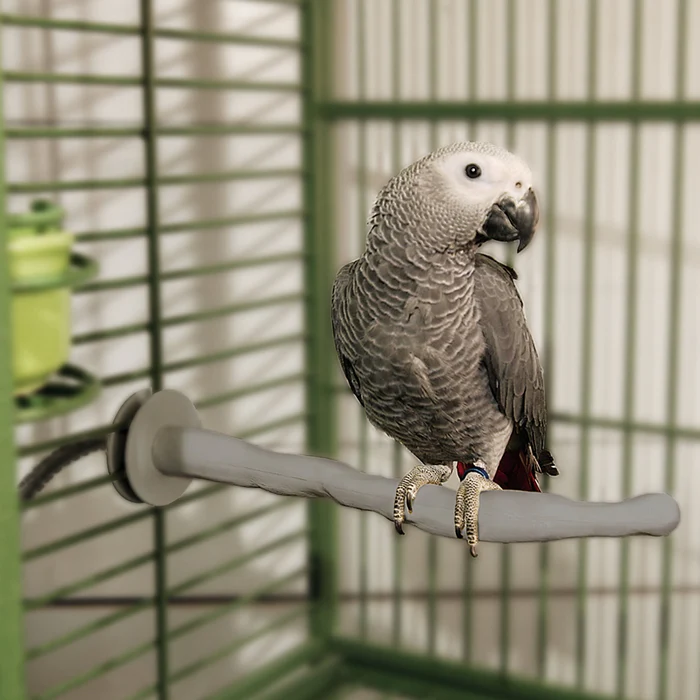
Housing requirements: Minimum 75 cm W x 50 cm D x 80 cm H with 1.2-1.4 cm bar spacing. Outfitting the cage with varied-diameter natural hardwood perches (Java wood, Manzanita) and non-toxic food crocks ensures long-term orthopedic foot health and escape security.
Dietary Requirements, Nutrition & Toxic Food Precautions
Recommended daily intake: 70% micro-pellets, 20% fresh greens/vegetables, 10% healthy seed mix. Never feed toxic substances including avocado, chocolate, caffeine, alcohol, fruit pits containing cyanide, or high-salt human foods.
Common Health Susceptibilities & Warning Signs
Watch for early signs of illness: fluffed feathers, lethargy, changes in dropping consistency, discharge from nares, or tail bobbing. Maintain annual wellness exams with an avian veterinarian.
Daily Enrichment, Foraging & Out-of-Cage Flight
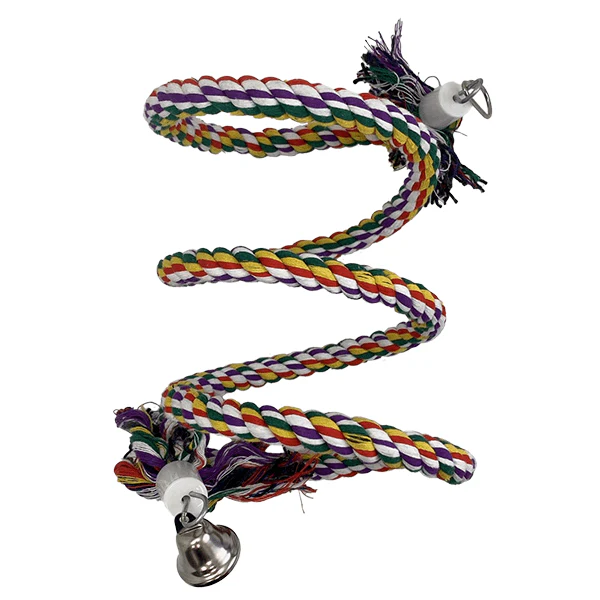
Provide at least 2 to 3 hours of supervised daily out-of-cage flight and exploration. Rotate destructible wood toys, palm shredders, and puzzle foraging feeders every two weeks to prevent captive boredom.
Social Bonding, Training & Lifelong Companionship
Establishing a secure, trusting bond with an exotic parrot requires patient positive reinforcement training, respect for avian body language, and a calm, predictable daily routine. Never use physical punishment or aggressive handling, which permanently damages trust. Spend dedicated daily one-on-one time engaged in target training, gentle vocalisation, and shared foraging activities to build a joyful, well-adjusted relationship spanning decades.
Training & Enrichment
Cockatiels tame quickly and are excellent first birds to train. Step-up, target and recall all come readily with millet or sunflower as a reinforcer, and many males learn to whistle tunes on cue. Keep sessions to two or three minutes. Because they are prey animals with a strong startle response, approach calmly and from the side rather than from above, and never grab or chase - a cockatiel that learns hands are safe stays tame for twenty years.
Health Considerations
Obesity and hepatic lipidosis from seed-only diets are by far the commonest preventable cause of early death. Chronic egg laying and egg binding are common in hens on long day length with rich food, nest-like spaces and body petting available; hens can lay clutch after clutch and deplete their calcium reserves. Night frights cause broken blood feathers and head trauma, so keep styptic powder in your first-aid kit. Cockatiels are notable powder-down producers, relevant for anyone with asthma. Psittacosis (Chlamydia psittaci) occurs and is transmissible to humans. Weigh weekly on a gram scale.
Frequently Asked Questions
With high-grade formulated nutrition and proper care, they typically live 15 to 25+ years in captivity.
We recommend a minimum enclosure size of Minimum 75 cm W x 50 cm D x 80 cm H with 1.2-1.4 cm bar spacing with safe, non-toxic bar spacing.
Daily nutrition should follow 70% micro-pellets, 20% fresh greens/vegetables, 10% healthy seed mix alongside clean fresh drinking water.
They make wonderful companions for dedicated owners willing to invest time into daily social interaction, out-of-cage exercise, and positive reinforcement.
A minimum of 2 to 3 hours of active, supervised out-of-cage flight and social engagement is recommended daily.