Sun Conure
Species Overview
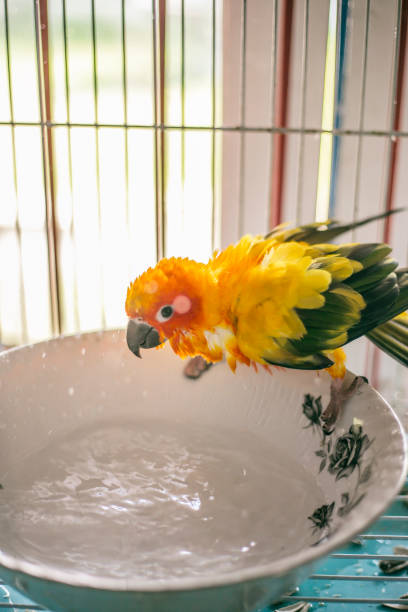
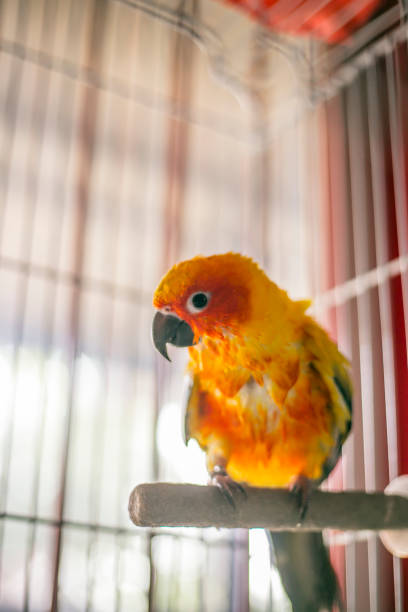
The Sun Conure (Conure) is an extraordinary companion bird celebrated for its distinctive personality, intelligence, and beauty. Adult specimens reach 30 cm length, 110-130g weight and can live 25 to 30+ years in captivity with proper avicultural care. They require a spacious enclosure measuring at least Minimum 80 cm W x 60 cm D x 90 cm H with 1.3-1.6 cm bar spacing, a balanced diet comprising 70% fine pellets, 25% fresh vegetables and fruits, 5% foraging seeds, and daily social interaction.
Natural Habitat & Wild History of the Sun Conure
In their native wild range, these psittacines inhabit diverse forest canopies and savannah woodlands. They live in active social flocks that forage across wide home ranges daily, displaying complex vocal repertoires and bonded pair relationships.
Physical Dimensions, Morphology & Lifespan
Adult dimensions average 30 cm length, 110-130g weight. In domestic aviculture, their typical lifespan is 25 to 30+ years in captivity when maintained on formulated nutrition with regular exercise and veterinary care.
Temperament, Social Dynamics & Vocal Profile
Vocal and behavioral profile: High volume, piercing contact calls; intensely affectionate, playful, and cuddle-oriented. They thrive on direct human companionship, structured training sessions, and consistent daily schedules.
Enclosure Sizing, Safe Metallurgy & Layout
Housing requirements: Minimum 80 cm W x 60 cm D x 90 cm H with 1.3-1.6 cm bar spacing. Outfitting the cage with varied-diameter natural hardwood perches (Java wood, Manzanita) and non-toxic food crocks ensures long-term orthopedic foot health and escape security.
Dietary Requirements, Nutrition & Toxic Food Precautions
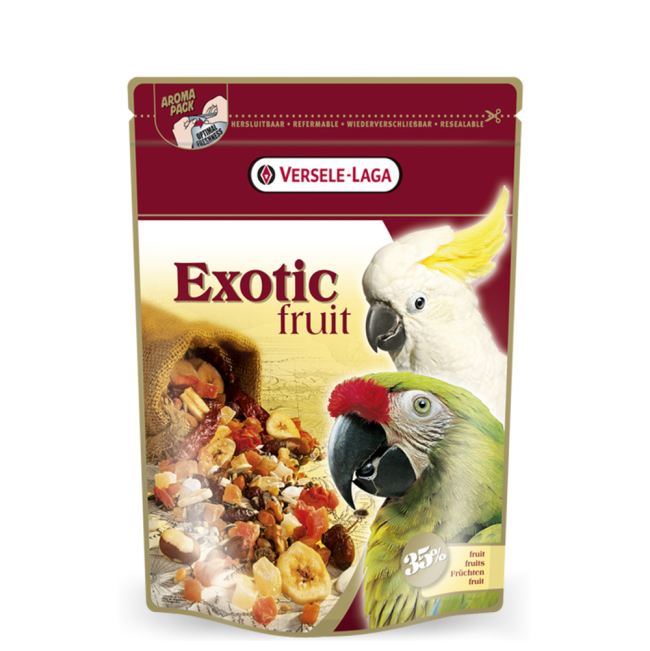
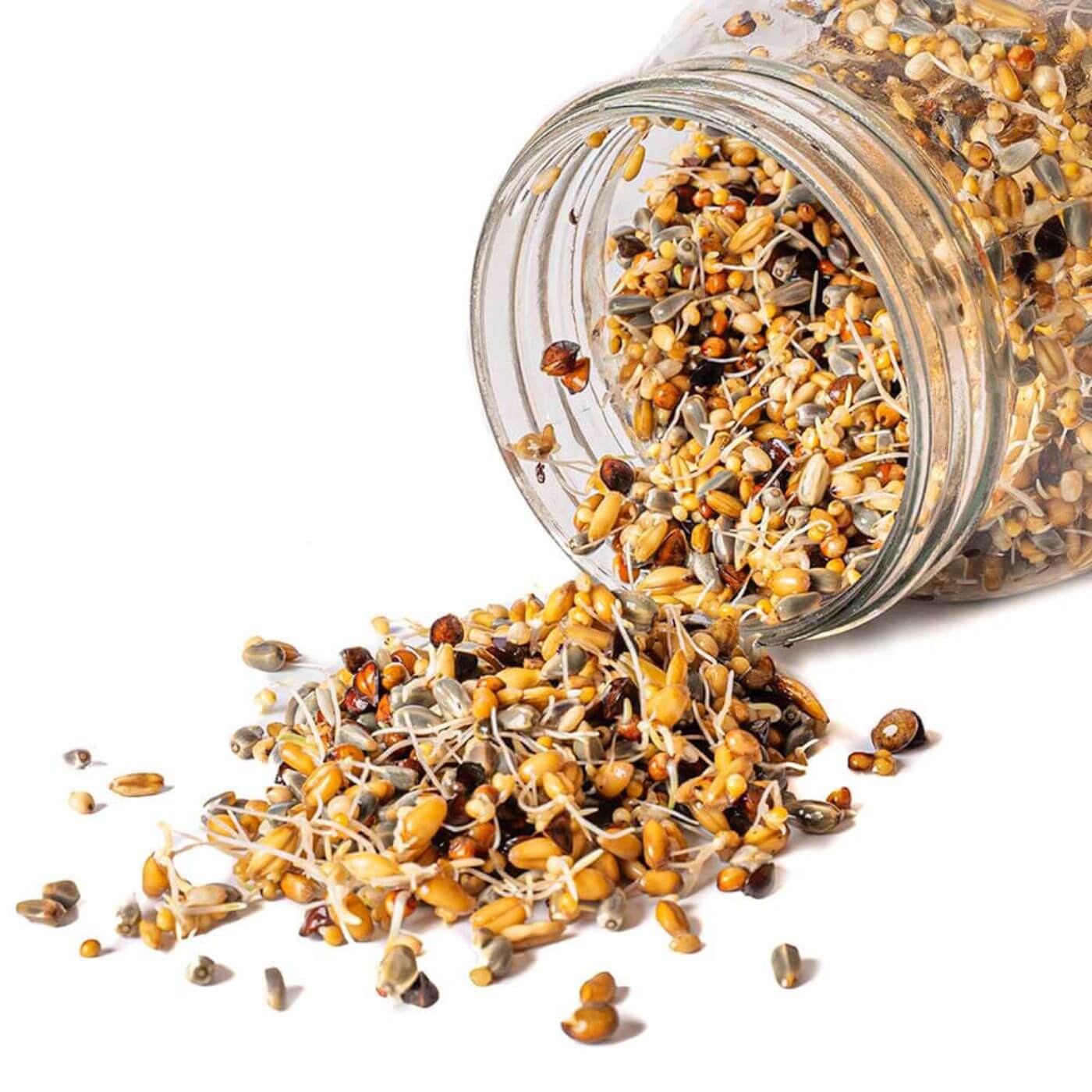
Recommended daily intake: 70% fine pellets, 25% fresh vegetables and fruits, 5% foraging seeds. Never feed toxic substances including avocado, chocolate, caffeine, alcohol, fruit pits containing cyanide, or high-salt human foods.
Common Health Susceptibilities & Warning Signs
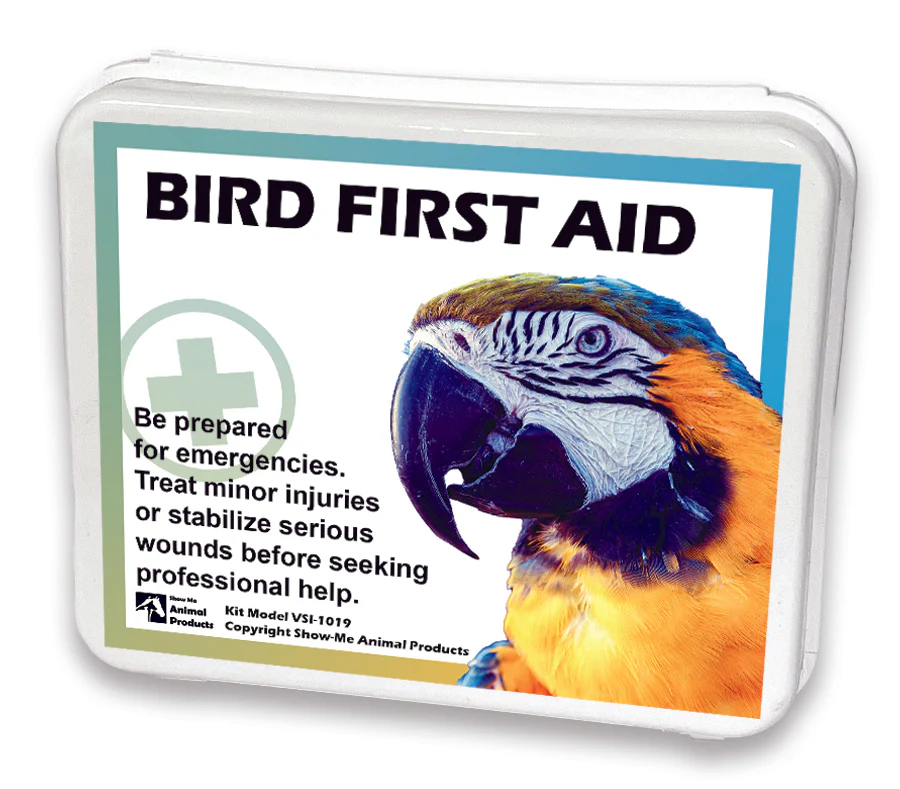
Watch for early signs of illness: fluffed feathers, lethargy, changes in dropping consistency, discharge from nares, or tail bobbing. Maintain annual wellness exams with an avian veterinarian.
Daily Enrichment, Foraging & Out-of-Cage Flight
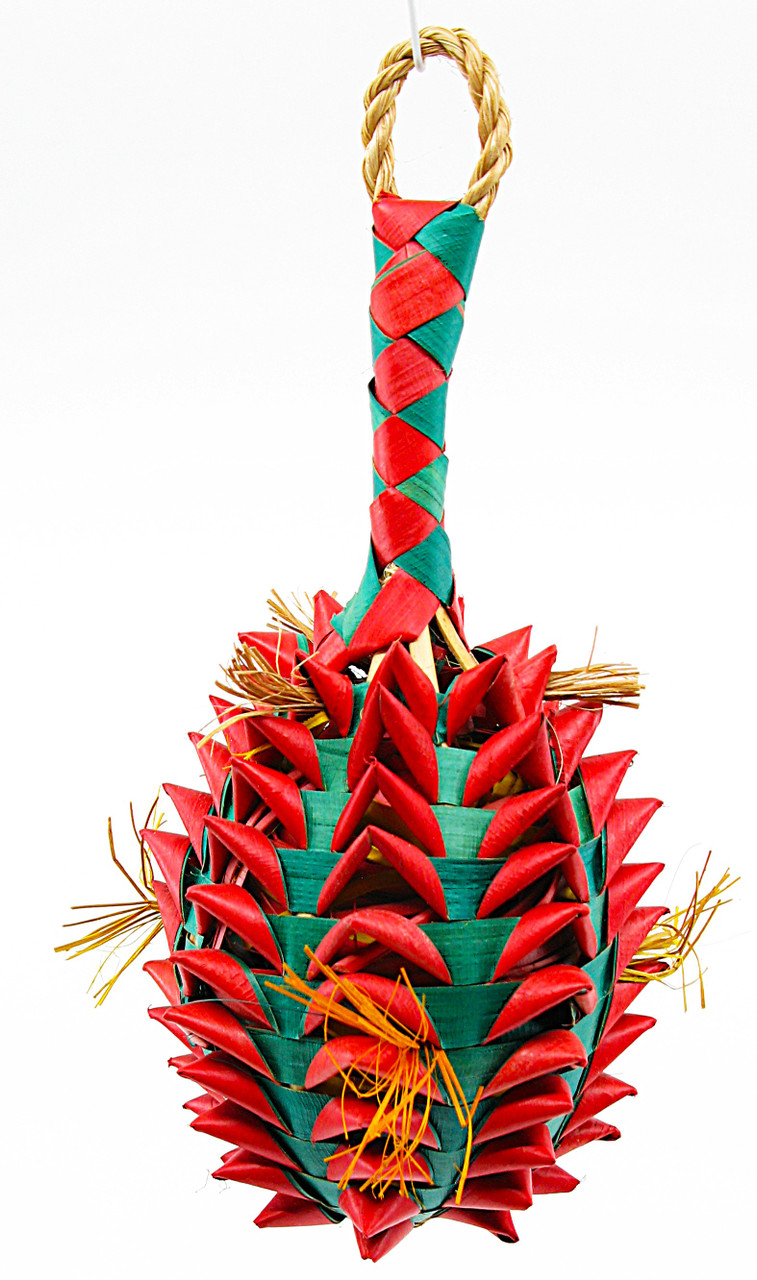
Provide at least 2 to 3 hours of supervised daily out-of-cage flight and exploration. Rotate destructible wood toys, palm shredders, and puzzle foraging feeders every two weeks to prevent captive boredom.
Social Bonding, Training & Lifelong Companionship
Establishing a secure, trusting bond with an exotic parrot requires patient positive reinforcement training, respect for avian body language, and a calm, predictable daily routine. Never use physical punishment or aggressive handling, which permanently damages trust. Spend dedicated daily one-on-one time engaged in target training, gentle vocalisation, and shared foraging activities to build a joyful, well-adjusted relationship spanning decades.
Training & Enrichment
Sun Conures are confident, food-motivated and easy to train - target, station, recall and simple trick behaviours all come readily, and they are among the better small parrots for harness work. Training is also the main practical lever on noise: reinforce quiet deliberately, teach a quiet whistle as an alternative contact call that you answer, and never respond to screaming, which reinforces it. Cooperative-care behaviours such as stepping onto a scale pay off over a twenty-year veterinary relationship.
Health Considerations
Sun Conures are susceptible to psittacine beak and feather disease and to proventricular dilatation disease (avian bornavirus), so quarantine any new bird for 30-45 days in a separate airspace and have new arrivals screened. Conure bleeding syndrome, a vitamin K-responsive haemorrhagic condition, is documented in the group. Obesity and fatty liver disease follow seed-based diets. Weigh weekly on a gram scale: in a 120 g bird a 10 g loss is clinically significant and completely invisible to the eye.
Frequently Asked Questions
With high-grade formulated nutrition and proper care, they typically live 25 to 30+ years in captivity.
We recommend a minimum enclosure size of Minimum 80 cm W x 60 cm D x 90 cm H with 1.3-1.6 cm bar spacing with safe, non-toxic bar spacing.
Daily nutrition should follow 70% fine pellets, 25% fresh vegetables and fruits, 5% foraging seeds alongside clean fresh drinking water.
They make wonderful companions for dedicated owners willing to invest time into daily social interaction, out-of-cage exercise, and positive reinforcement.
A minimum of 2 to 3 hours of active, supervised out-of-cage flight and social engagement is recommended daily.