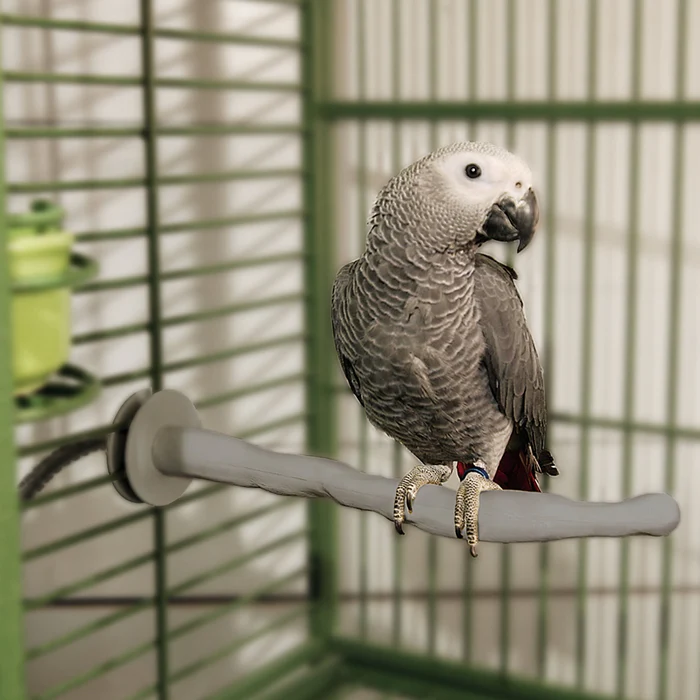
Heated Comfort Perch
Thermostatically controlled heated perch that maintains a safe, gentle warmth fo...
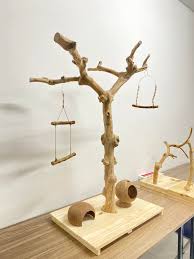
Java Wood Perch Stand
Hand-crafted natural Java wood perch....
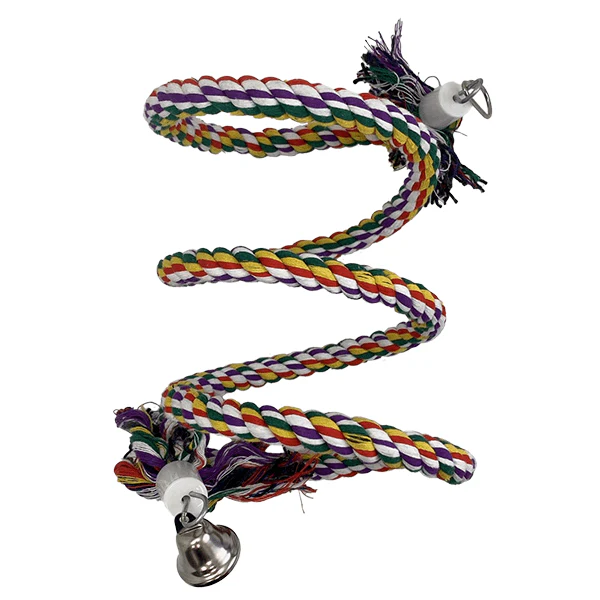
Rope Bungee Perch
Flexible cotton rope bungee perch with spiral design that bounces and sways when...
Vary the diameter, always
A single uniform dowel holds the foot in one position permanently, concentrating pressure on the same points of the plantar surface until the skin breaks down. Natural branches taper and vary, which is exactly why they are better.
As a starting guide, a bird's foot should wrap roughly two thirds to three quarters of the way around its main perch, not completely encircle it and not stretch flat across it. Fit at least three perches of clearly different diameters and textures, place the widest and most comfortable at the highest point where the bird sleeps, and keep perches clear of food and water bowls so they are not soiled from above.
Safe and unsafe woods
- Safe and widely used: manzanita, java wood, eucalyptus, apple, pear, willow, elm, ash, birch, hawthorn, grapevine and dracaena.
- Avoid: yew (highly toxic), oak (tannins), cherry, peach, apricot and plum wood (cyanogenic compounds), laburnum, oleander, rhododendron and azalea.
- Never use pressure-treated, painted, stained or varnished timber, or wood from a plant that has been sprayed with pesticide.
- Foraged branches should be from a known safe species, cut from a site away from roadside pollution, scrubbed, and either baked or thoroughly dried before use.
Perch types and where each belongs
- Natural hardwood branch - the default for most perches in the cage. Varied diameter, good grip, chewable.
- Rope perch - comfortable and flexible, useful for arthritic or older birds, but requires weekly inspection because fraying traps toes and ingested fibre causes crop impaction.
- Mineral or cement conditioning perch - one only, placed at a mid-height where the bird uses it occasionally, never as the sleeping perch. Overuse abrades the foot.
- Heated perch - genuine value for older birds, birds recovering from illness, or a cool room, provided it is thermostatically controlled and one of several options so the bird can choose.
- Sandpaper perch covers - do not use these at all. They abrade the plantar skin, do nothing useful for nails, and are a well-known cause of pododermatitis.
Play stands and out-of-cage furniture
A separate stand gives a bird somewhere legitimate to be outside the cage, which reduces territorial behaviour around the cage door and makes recall training far easier. Choose a stand with a catch tray, a food and water station, and space to hang toys, and place it where the family actually sits rather than in a corner.
Check feet monthly. Look for redness or smoothing on the ball of the foot, flattened scales, swelling, or reluctance to bear weight - all early signs of pododermatitis. Overgrown nails that curl past the toe pad, or a beak that is visibly overgrown or asymmetrical, warrant an avian veterinary appointment rather than a home trim, since an overgrown beak can indicate liver disease or mites.
Perches & Stands in this range
Heated Comfort Perch · Java Wood Perch Stand · Rope Bungee Perch
Related reading
Parrot nutrition guide · Cage and aviary setup · Safe plants and toxic foods · Recognising illness in parrots · Bathing and grooming · Compare parrot species
Perches & Stands: frequently asked questions
One where the foot wraps roughly two thirds to three quarters of the way around - not fully encircling and not stretched flat. More importantly, fit several perches of different diameters so the foot is not held in one position permanently.
Manzanita, java wood, eucalyptus, apple, pear, willow, elm, ash, birch, hawthorn and grapevine are all widely used and safe. Avoid yew, oak, laburnum, oleander, rhododendron and the wood of cherry, peach, apricot and plum.
No. They abrade the skin on the underside of the foot, do very little to nails, and are a recognised cause of pododermatitis. Use varied natural-wood perches and have nails trimmed properly instead.
Pododermatitis - inflammation and ulceration of the underside of the foot, usually caused by uniform perch diameter, abrasive surfaces, obesity or dirty perches. Early signs are redness, smoothed or flattened scales and reluctance to bear weight. It needs veterinary treatment.
Yes, if you can identify the species as safe, the tree has not been sprayed with pesticide, and the site is away from heavy roadside pollution. Scrub the branch and dry or bake it before putting it in the cage.
It helps a great deal. A separate stand gives the bird a legitimate place to be outside the cage, reduces territorial behaviour at the cage door and makes recall and step-up training much easier.