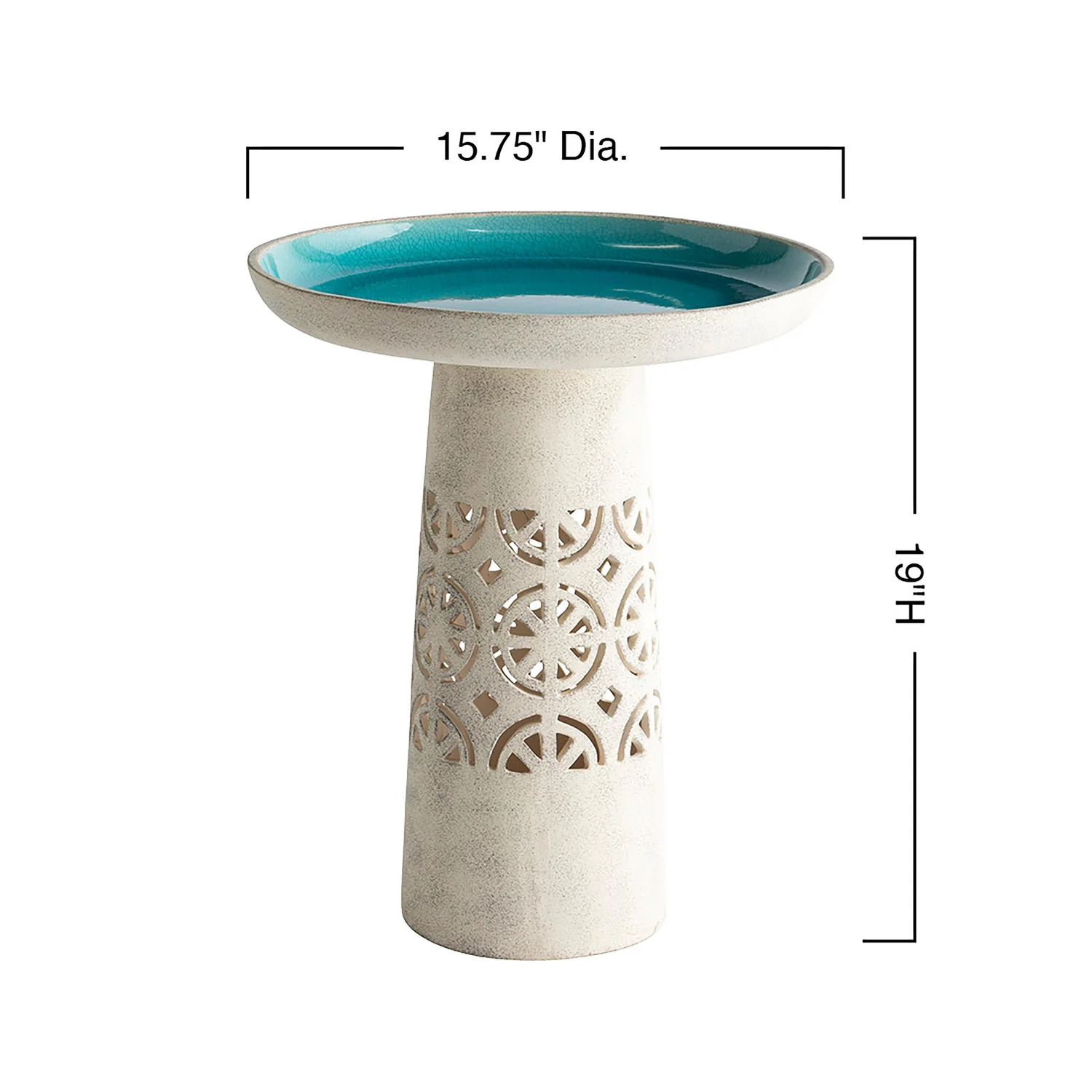
Ceramic Bird Bath
Heavy-duty glazed ceramic bird bath dish with non-slip base. The low-profile des...

Fine Mist Spray Bottle
Continuous fine-mist spray bottle that mimics tropical rain - parrots love it! T...
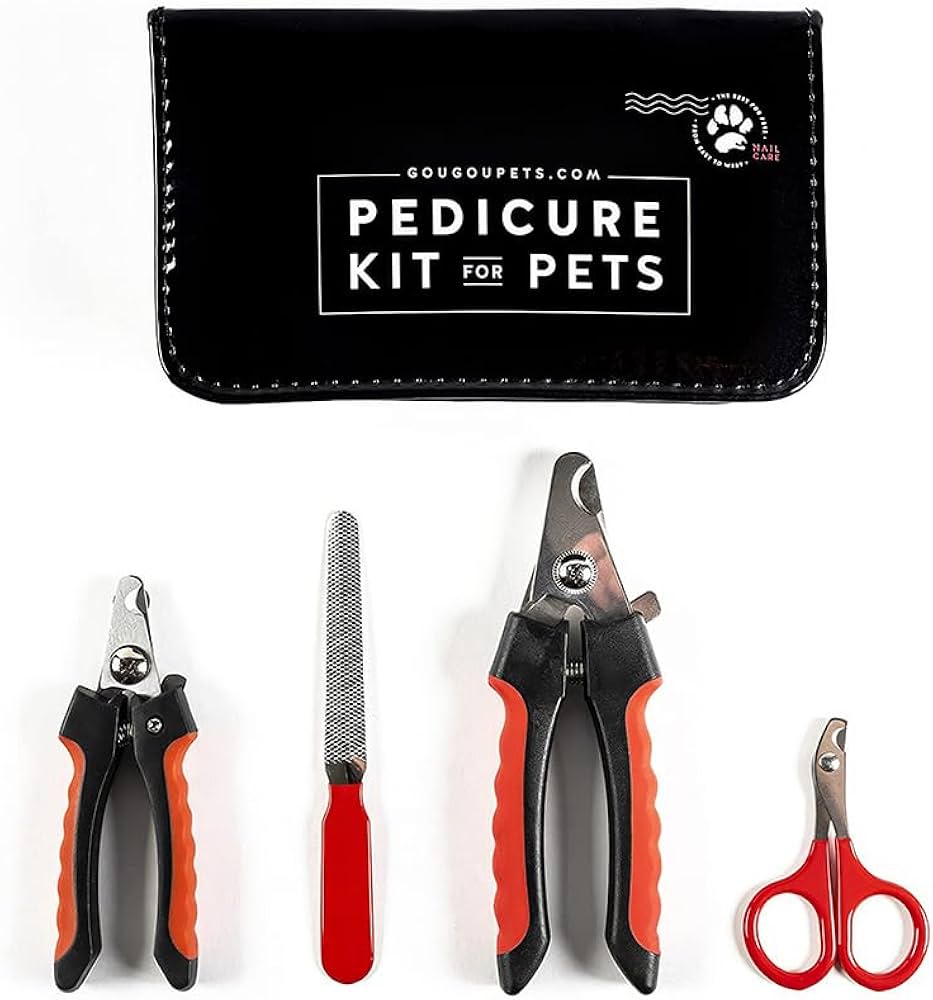
Professional Nail Trimming Kit
Professional-grade nail trimming kit with stainless steel guillotine clippers, n...
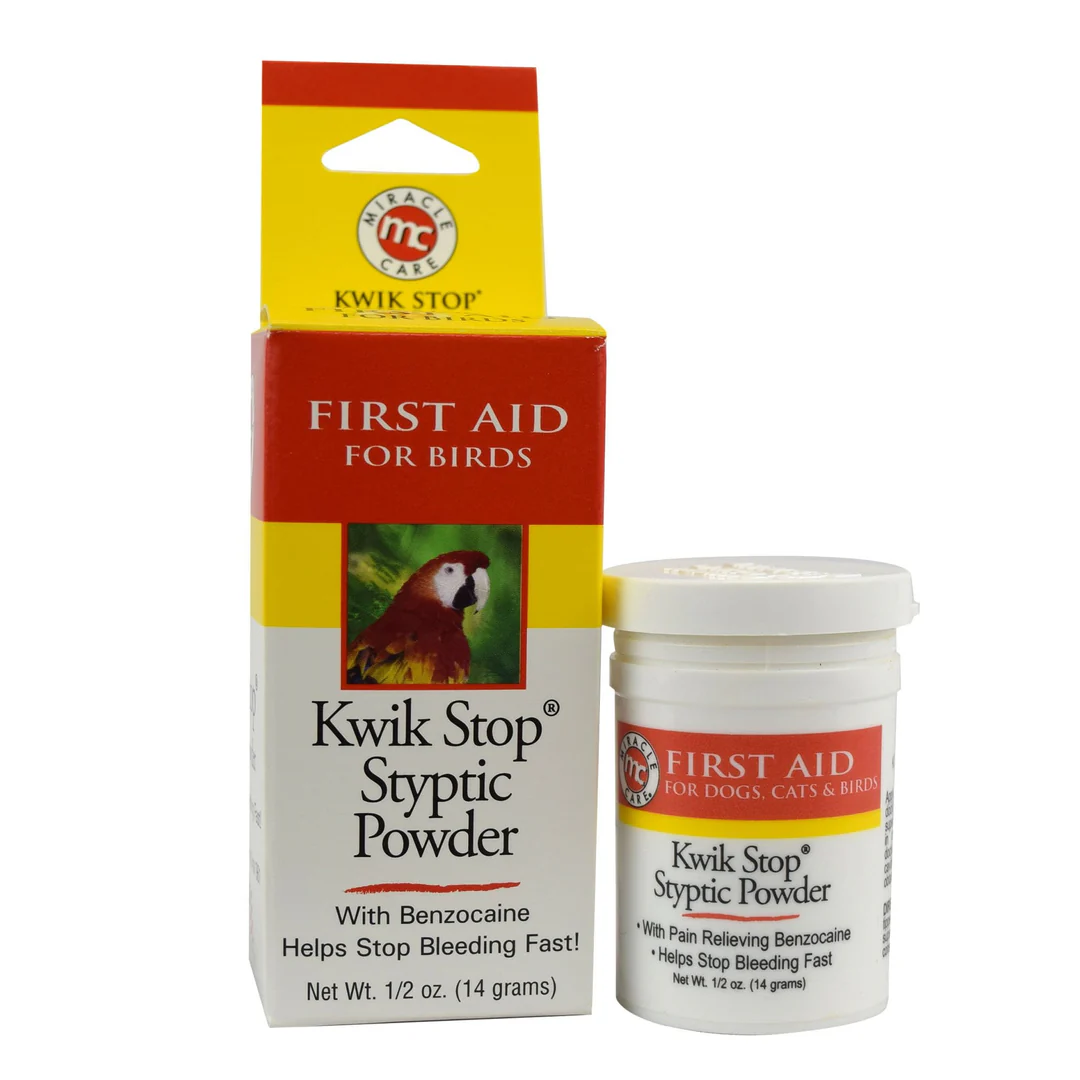
Styptic Powder
Fast-acting styptic powder that stops nail and beak bleeding within seconds. An ...
How often, and how
Aim for several baths a week and daily in dry indoor heating. Species from humid forest - Amazons, Eclectus, macaws, caiques - particularly benefit, and heavy powder-down producers such as cockatoos, African Greys and cockatiels benefit most of all because bathing is the main way to keep airborne dust down.
Offer several options and let the bird choose which it likes: a shallow heavy dish it can stand in, a fine mist from a clean spray bottle directed above the bird so it falls like rain, a wet leafy green such as kale or spinach to roll in, or a shower perch. Use plain tepid water only - no soaps, shampoos, detergents or "feather conditioning" additives, all of which strip the natural oils the bird is trying to distribute.
Bathe in the morning so the bird is fully dry before evening, keep it out of draughts while wet, and let it dry naturally. Hairdryers are a poor idea both for the heat and because many contain PTFE-coated components whose fumes are lethal to birds.
Nails and beak
A parrot with varied natural-wood perches of different diameters and a single conditioning perch will usually keep its nails at a workable length without intervention. Trim only when a nail curls past the toe pad, catches on fabric, or prevents the bird from perching flat.
Nails contain a blood supply, the quick, which is visible as a pink line in pale nails and invisible in dark ones. Take only the tip, have styptic powder open and ready before you start, and stop if you draw blood and apply the powder with pressure. If you are not confident, this is a routine and inexpensive job for an avian vet or an experienced groomer - a stressed restraint that goes wrong is far worse than an untrimmed nail.
A healthy beak is self-maintaining. An overgrown, flaking, discoloured or asymmetrical beak is a clinical sign, not a grooming task: it can indicate liver disease, scaly face mites (Knemidokoptes), malnutrition or trauma. Do not file or trim it at home - book a veterinary examination.
Moulting, and what is normal
- Parrots moult gradually, usually once or twice a year, replacing feathers a few at a time so flight is never lost. Symmetrical patchy loss, bald patches, or a bird that never regrows feathers is not moulting - it is a veterinary matter.
- New pin feathers have a keratin sheath and a blood supply and are genuinely uncomfortable. A bird may be touchier than usual and may solicit head scratching to help remove sheaths it cannot reach.
- Increase protein and bathing frequency during a heavy moult; feather production is metabolically expensive.
- Never help a pin feather along on the wing or tail - a broken blood feather bleeds significantly.
On wing clipping
Wing clipping is genuinely contested among avian veterinarians and behaviourists, and we are not going to pretend otherwise. Flight is a bird's primary defence, its main exercise and central to its confidence; against that sit real household hazards including windows, open doors, hobs and ceiling fans. If clipping is considered at all it should be done by an experienced avian vet, symmetrically, leaving enough lift for a controlled glide to the floor - a heavy clip causes crash landings, keel injuries and lasting fear of flight. Many keepers achieve the same safety outcome through recall training, window film and door protocols instead. Discuss it with your own avian vet in the context of your specific bird and home.
Grooming & Bathing in this range
Ceramic Bird Bath · Fine Mist Spray Bottle · Professional Nail Trimming Kit · Styptic Powder
Related reading
Parrot nutrition guide · Cage and aviary setup · Safe plants and toxic foods · Recognising illness in parrots · Bathing and grooming · Compare parrot species
Grooming & Bathing: frequently asked questions
Several times a week, and daily in dry centrally heated air. Powder-down species such as cockatoos, African Greys and cockatiels benefit most, because bathing is the main way to control the dust they produce.
No. Use plain tepid water only. Soaps, detergents and additive sprays strip the natural oils a bird distributes while preening and can leave feathers unable to insulate properly.
No. Let the bird dry naturally out of draughts. Many hairdryers contain PTFE-coated parts whose fumes are rapidly lethal to birds, and the heat itself risks burns.
Only when a nail curls past the toe pad or catches. Take the tip only, avoid the quick - the blood supply visible as a pink line in pale nails - and have styptic powder open before you start. If in any doubt, an avian vet or experienced groomer does this routinely.
No. An overgrown, flaking or asymmetrical beak is a clinical sign that can indicate liver disease, mites or malnutrition. Book a veterinary examination rather than attempting home beak work.
It is genuinely debated. Flight is a bird's main exercise and defence, but household hazards are real. If done at all, it should be by an experienced avian vet, symmetrically, leaving enough lift for a controlled glide. Many keepers instead use recall training, window film and door protocols to achieve the same safety.