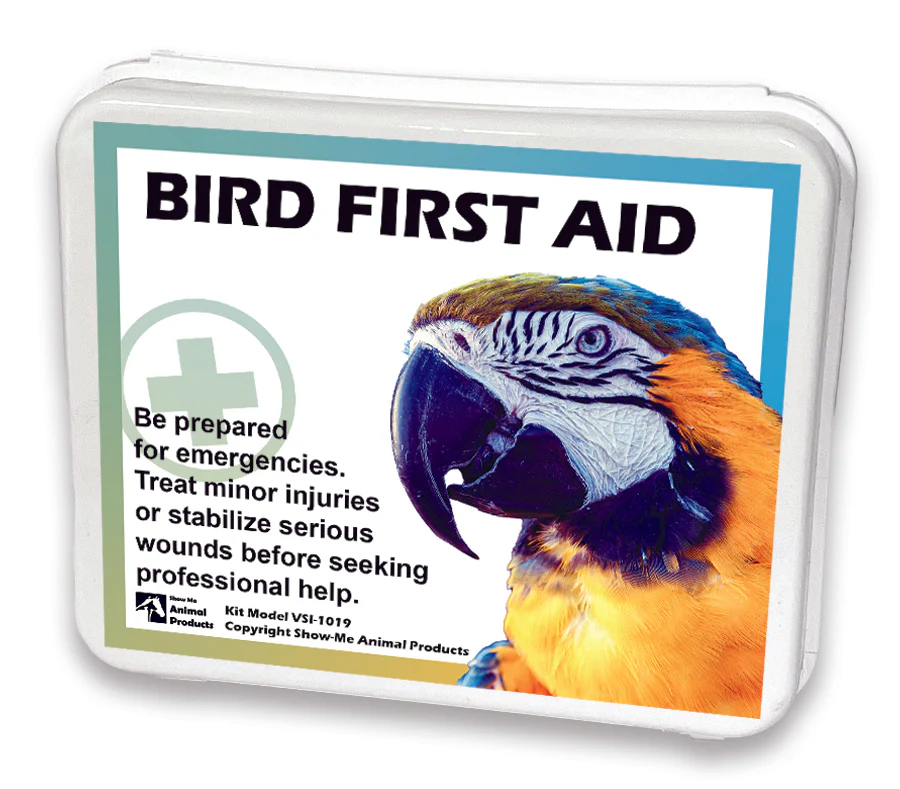
Avian First-Aid Kit
Comprehensive first-aid kit designed specifically for bird emergencies. Contains...
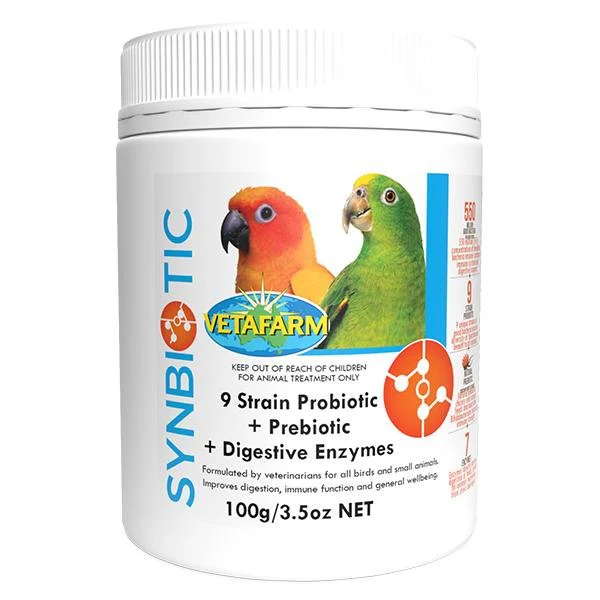
Avian Probiotics Powder
Veterinary-grade probiotic powder containing 8 strains of beneficial bacteria sp...

Beak & Claw Conditioner
Natural mineral and lava stone block infused with calcium and trace minerals. Pr...
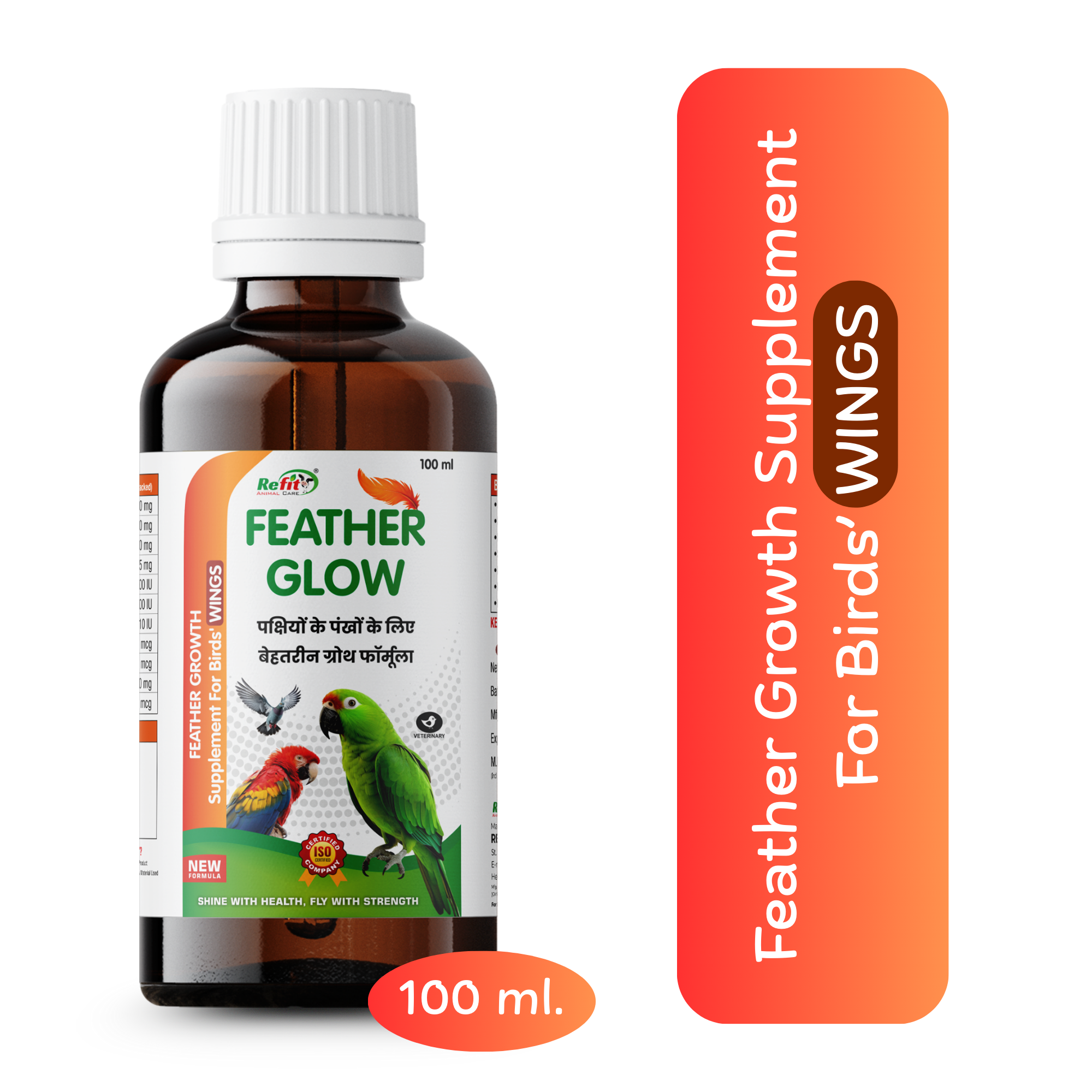
Feather-Glow Supplement
Liquid supplement enriched with biotin, omega-3 fatty acids, and amino acids to ...
A gram scale is the most useful health tool you own
Weigh your bird on the same day each week, at the same time relative to feeding, using a digital scale accurate to one gram with a perch platform. Record every reading. A downward trend of five per cent or more of body weight is a clinical sign long before anything is visible, and in a 120 g conure that is a change of six grams - undetectable by eye or by hand.
Weight tracking also anchors every other decision: portion control, diet conversion, and whether an apparently mild change in behaviour warrants a same-day appointment.
Signs that mean call an avian vet today
- Sitting fluffed on the cage floor, or on the lowest perch when the bird normally roosts high.
- Tail bobbing with each breath, open-mouthed breathing, or any audible click or wheeze.
- A sudden change in droppings - persistent green or black staining, watery output for more than a day, or blood.
- Vomiting or regurgitation onto the floor rather than a directed courtship regurgitation.
- Any bleeding, particularly from a broken blood feather, a nail, or a wound from another bird.
- Straining, or a hen who is sitting fluffed on the floor - possible egg binding, which is a genuine emergency.
- A fall, a bite from another animal, or a suspected toxin exposure such as fumes from overheated non-stick cookware.
An avian first-aid kit
- Styptic powder for nails and beak (never use it on skin) and sterile gauze for wounds.
- Blunt-tipped scissors, tweezers or fine haemostats for removing a broken blood feather under veterinary guidance.
- Sterile saline for flushing eyes and wounds.
- Non-adhesive dressing and self-adherent bandage, plus a small towel for safe restraint.
- A digital gram scale and a small carrier kept accessible.
- A heat source that can be controlled - a heat pad under half of a hospital enclosure, never in direct contact.
- Your avian vet's number and the nearest out-of-hours avian service, written down rather than only in a phone.
Quarantine, properly done
Any new bird should be quarantined for 30 to 45 days before it meets an existing collection. Quarantine means a separate airspace, not a different corner of the same room - psittacine beak and feather disease, avian bornavirus and Chlamydia psittaci all spread through the air on feather dust. Care for the resident birds first and the new bird last, wash hands and change outer clothing between them, and keep separate bowls and cleaning equipment.
Use that window for veterinary screening: a physical examination, faecal testing, and depending on species and origin, testing for PBFD, polyomavirus, avian bornavirus and Chlamydia psittaci. Psittacosis in particular is transmissible to humans and is a genuine, if uncommon, occupational risk of bird keeping - a keeper with an unexplained flu-like illness should tell their doctor that they keep birds.
Health & Wellness in this range
Avian First-Aid Kit · Avian Probiotics Powder · Beak & Claw Conditioner · Feather-Glow Supplement
Related reading
Parrot nutrition guide · Cage and aviary setup · Safe plants and toxic foods · Recognising illness in parrots · Bathing and grooming · Compare parrot species
Health & Wellness: frequently asked questions
Watch for fluffed posture, sitting low in the cage, tail bobbing when breathing, changed droppings, loss of appetite and weight loss. Because birds conceal illness, weekly weighing on a gram scale often detects a problem days before anything is visible.
An annual wellness examination with an avian-experienced veterinarian is the standard recommendation, plus baseline bloodwork on a schedule your vet sets. Older birds and those with a history of illness usually need more frequent review.
Thirty to forty-five days in a separate airspace, not just a separate cage. Care for resident birds first and the new bird last, and use the period for veterinary screening including faecal testing and, where indicated, PBFD, polyomavirus, bornavirus and chlamydia testing.
Styptic powder, sterile gauze, saline, blunt-tipped scissors, haemostats, non-adhesive dressing, a towel for restraint, a controllable heat source, a gram scale, an accessible carrier, and your avian vet's out-of-hours number written down.
A broken blood feather can bleed significantly. Apply gentle direct pressure with gauze and styptic powder to the feather shaft, keep the bird calm and warm, and contact your avian vet. Pulling a blood feather should only be done under veterinary guidance.
Psittacosis, caused by Chlamydia psittaci, is transmissible from birds to people and typically presents as a flu-like illness with respiratory signs. It is uncommon and treatable, but any bird keeper with an unexplained fever should mention their birds to their doctor.