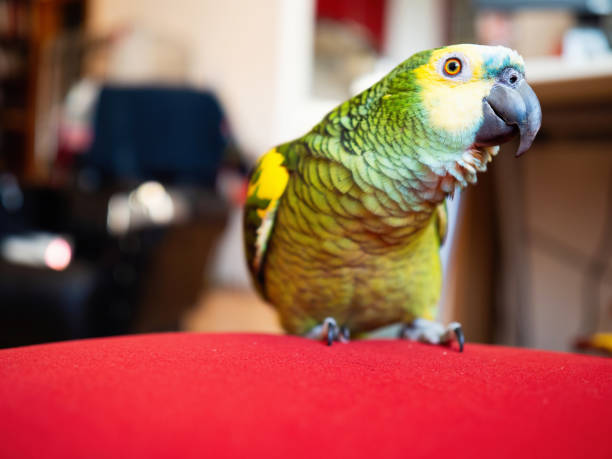
 Limited Availability
Yellow-naped Amazon
The Yellow-naped Amazon is one of the most sought-after Amazon parrots, known for its exceptional ta...
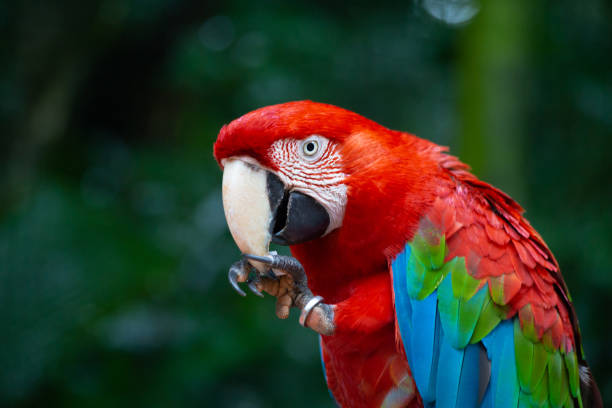 Available Now
Scarlet Macaw
The Scarlet Macaw is a breathtaking large parrot with vivid red, yellow, and blue plumage....
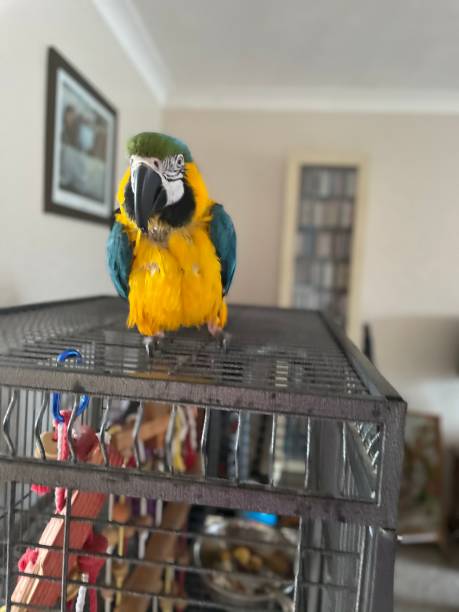 Available Now
Blue-and-Gold Macaw
Combines stunning beauty with a gentle, sociable temperament....
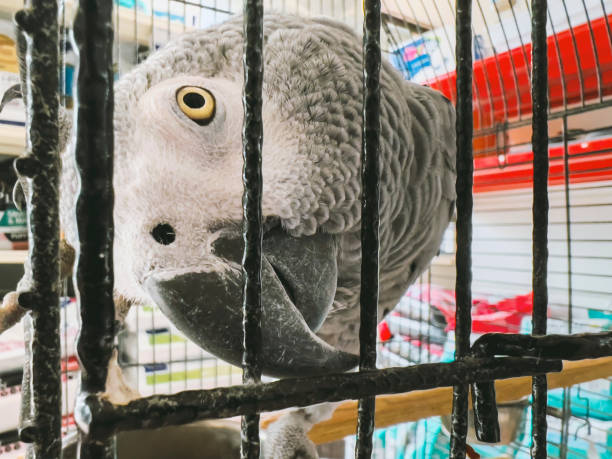 Available Now
Congo African Grey
Widely regarded as the most intelligent of all parrot species....
 Available Now
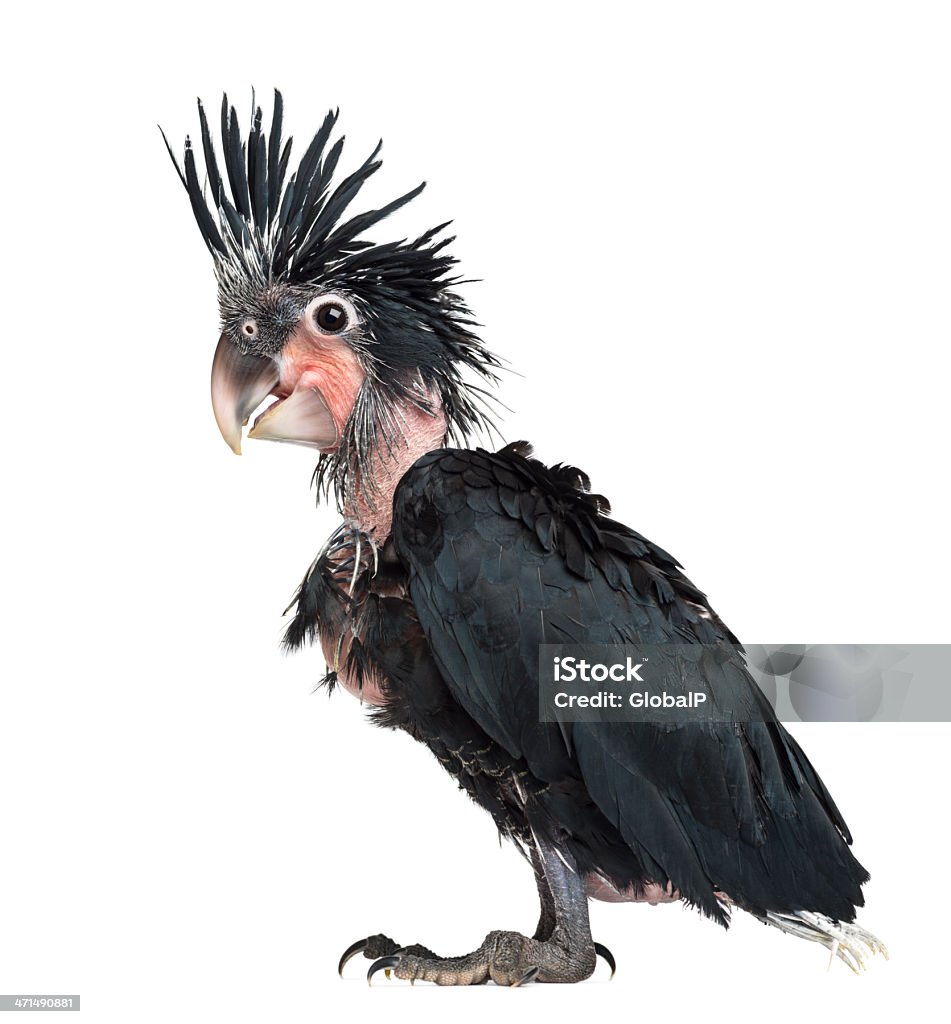
Palm Cockatoo
One of the rarest and most magnificent cockatoos....
 Limited Availability
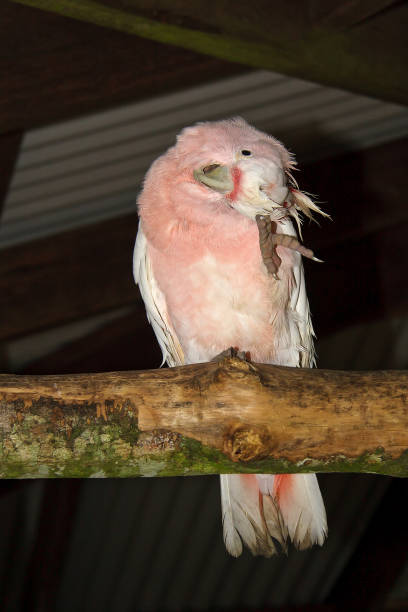
Major Mitchell Cockatoo
Arguably the most beautiful of all cockatoos....
 Available Now
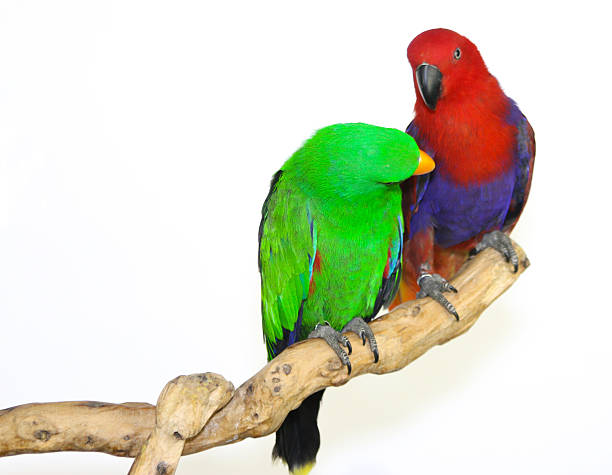
Eclectus Parrot
Remarkable for its extreme sexual dimorphism....
 Available Now
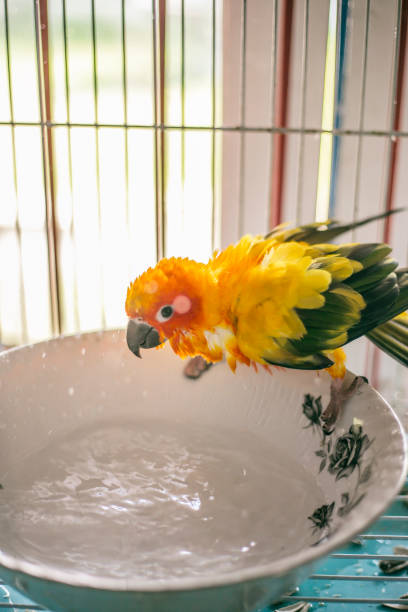
Sun Conure
One of the most colorful small parrots, known for vibrant plumage....
 Available Now
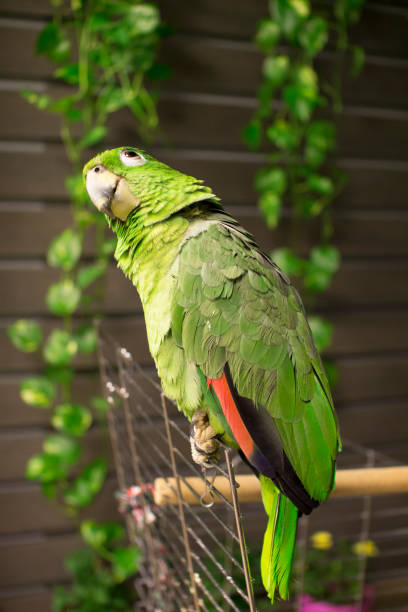
Amazon Parrot
Our collection features several stunning Amazon species....
 Available Now
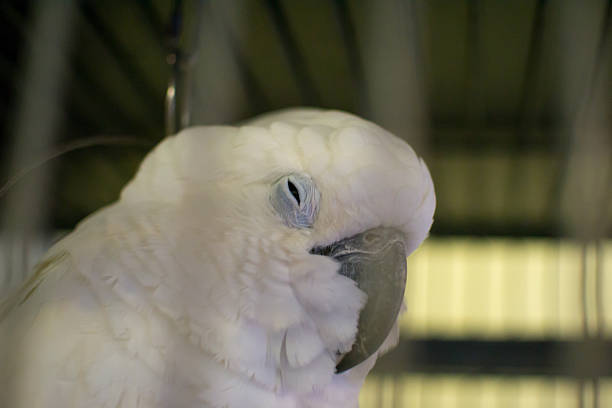
Goffin Cockatoo
A smaller cockatoo known for its playful personality....
 Limited Availability
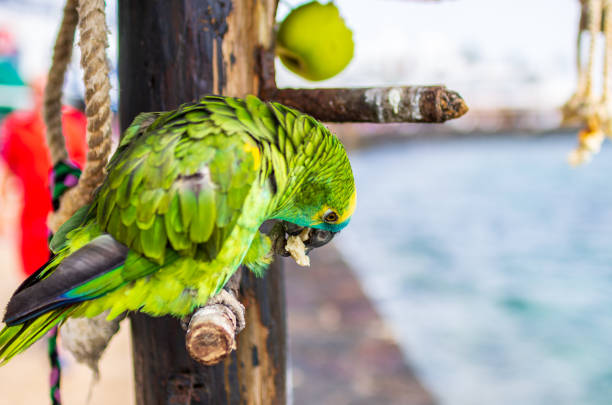
Blue-Fronted Amazon
One of the most popular Amazon parrots for its speech abilities....
 Available Now
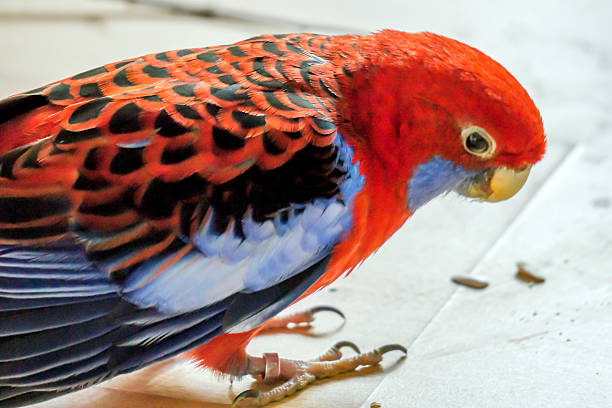
Crimson Rosella
Stunning Australian parakeet with deep crimson plumage....
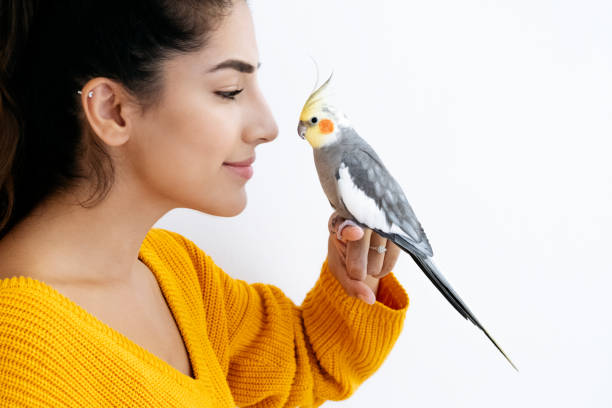 Available Now
Cockatiel
One of the most popular companion birds worldwide....
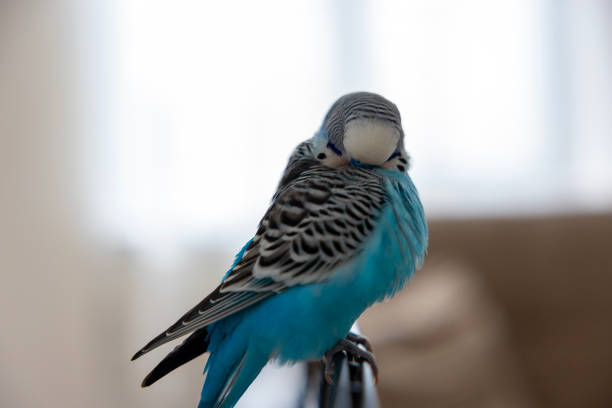 Available Now
Indian Ringneck
Elegant parakeet known for its talking ability and colorful mutations....
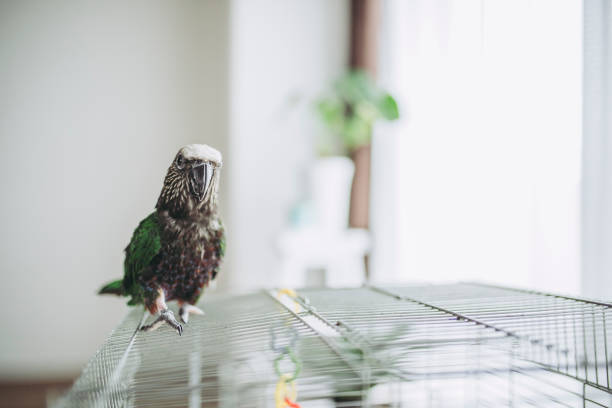 Available Now
Red-Fan Parrot
Distinctive parrot with fan-like crest of red feathers....
 Limited Availability
Yellow-Naped Amazon
Known for its exceptional talking ability....
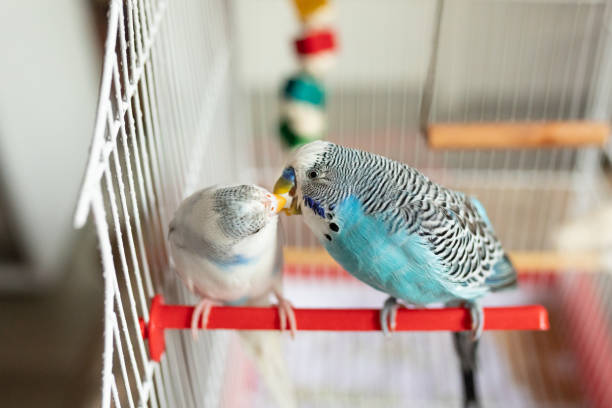 Available Now
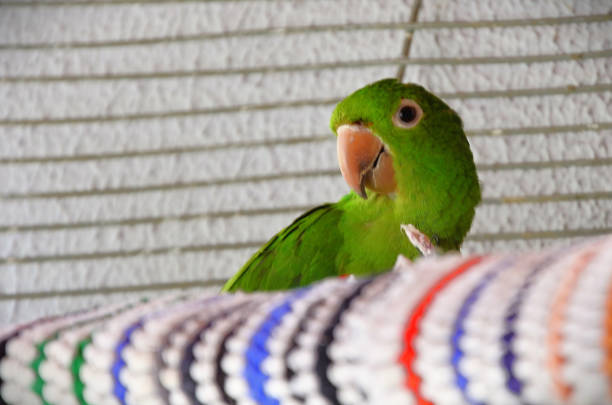
Quaker Parrot
Social and talkative small parrot with bright green plumage....
 Available Now
Caique
The clown of the parrot world, known for its playful antics....
 Available Now
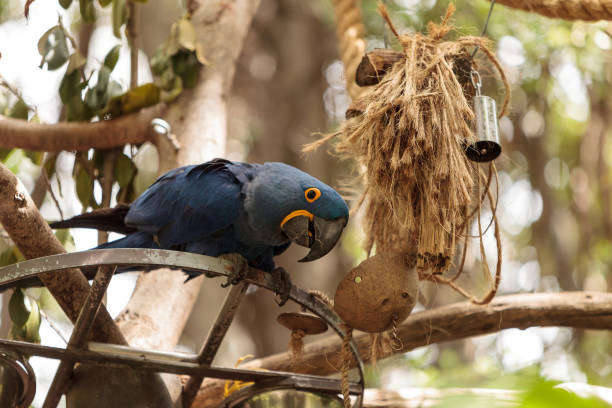
Hyacinth Macaw
The largest of all parrot species with stunning cobalt blue plumage....
How to narrow the choice sensibly
Colour is the worst possible basis for choosing a parrot, and it is the one most people start from. The four factors that actually determine whether a placement lasts are noise, lifespan, space and daily time. Work through them in that order.
Noise first, because it is the commonest reason birds are rehomed and the one thing that cannot be trained away. If you live in an apartment or attached housing, the realistic candidates are a cockatiel or a budgerigar - not a conure, not an Amazon, and certainly not a cockatoo or macaw. Lifespan second: a cockatiel is a 15-25 year commitment, an Amazon or a macaw is 50 years or more and will very likely outlive you, which means naming a guardian in your will is part of responsible ownership rather than an afterthought.
Space and time, realistically
- Minimum enclosure runs from 61 x 46 x 61 cm for a cockatiel to 152 x 91 x 183 cm for a Hyacinth Macaw. Measure the space you have before you shortlist.
- Every parrot needs daily out-of-cage time in a bird-proofed room, regardless of cage size.
- Budget several hours a day of interaction and enrichment for a large parrot. Caiques and cockatoos need more than that.
- Destructible chew items are a permanent running cost, not a one-off purchase.
- Find an avian-experienced veterinarian before you acquire a bird. Ordinary small-animal practices often cannot treat psittacines.
The legal position, in one paragraph
Every species in the order Psittaciformes is listed on CITES Appendix I or II, with exactly four exceptions: the budgerigar (Melopsittacus undulatus), the cockatiel (Nymphicus hollandicus), the rose-ringed parakeet (Psittacula krameri) and the peach-faced lovebird (Agapornis roseicollis). Moving any listed bird across an international border requires export and import permits obtained in advance. Within the European Union, CITES is implemented by Regulation (EC) No 338/97; Appendix I species sit in Annex A, and a commercial transaction involving an Annex A bird - an African Grey, a Hyacinth or Scarlet Macaw, a Yellow-naped Amazon, most cockatoos - requires a bird-specific Article 10 certificate and a matching closed ring or microchip. The EU has also banned imports of wild-caught birds since 2007 under Regulation (EC) No 318/2007. Confirm current requirements with your national CITES management authority, because listings change at each Conference of the Parties.
Browse by species
Yellow-naped Amazon · Scarlet Macaw · Blue-and-Gold Macaw · Congo African Grey · Palm Cockatoo · Major Mitchell Cockatoo · Eclectus Parrot · Sun Conure · Amazon Parrot · Goffin Cockatoo · Blue-Fronted Amazon · Crimson Rosella · Cockatiel · Indian Ringneck · Red-Fan Parrot · Yellow-Naped Amazon · Quaker Parrot · Caique · Hyacinth Macaw
African Grey care guide · Amazon care guide · Caique care guide · Cockatiel care guide · Cockatoo care guide · Conure care guide · Eclectus care guide · Macaw care guide · Parakeet care guide · Parrot care guide · Rosella care guide
Related care guides
Choosing your first parrot · Parrot nutrition and diet conversion · Cage and aviary setup · Parrot lifespan by species · Recognising illness in parrots · Cages sized by species
Choosing a parrot: frequently asked questions
A cockatiel, by a wide margin. It is gentle, hand-tames readily, is quiet enough for most homes, has a manageable 15-25 year lifespan, and needs a 61 x 46 x 61 cm cage rather than a room. Budgerigars are also excellent. African Greys and cockatoos are poor first birds despite their popularity.
Realistically only cockatiels and budgerigars. Conures, Amazons, macaws and cockatoos all produce contact calls that carry through walls at dawn and dusk, and no training removes a natural contact call.
African Greys have the largest documented vocabularies and the strongest evidence for contextual use. Yellow-naped Amazons are the finest talkers and singers among Amazons, and Indian Ringnecks produce exceptionally clear speech for their size. Individual variation is large - never buy a bird on the assumption it will talk.
Roughly 15-25 years for cockatiels and Sun Conures, 25-30 for Indian Ringnecks and caiques, 30-50 for Eclectus, 40-60 for African Greys and cockatoos, and 50-60 or more for Amazons and large macaws. Larger species commonly outlive their owners.
It depends on the species and your country. All parrots except the budgerigar, cockatiel, rose-ringed parakeet and peach-faced lovebird are CITES-listed. In the EU, commercial sale of an Annex A species such as an African Grey requires a bird-specific Article 10 certificate. Some species, notably the Quaker parakeet, are restricted or banned outright in certain jurisdictions.
The purchase price is a small share of lifetime cost. Recurring costs are formulated food and fresh produce, continuously replaced destructible toys, cage and perch replacement, and avian veterinary care including an annual examination and periodic bloodwork. Larger species cost more on every line. Ask us for a written estimate for the specific bird you are considering.